


TL;DR
ONGC and Oil India Limited shares jumped because the government sharply reduced the royalty rates on domestic crude oil and gas production. It directly lifted the profit per barrel and improved long term project economics.
Why Oil India Share Price and ONGC Jumped
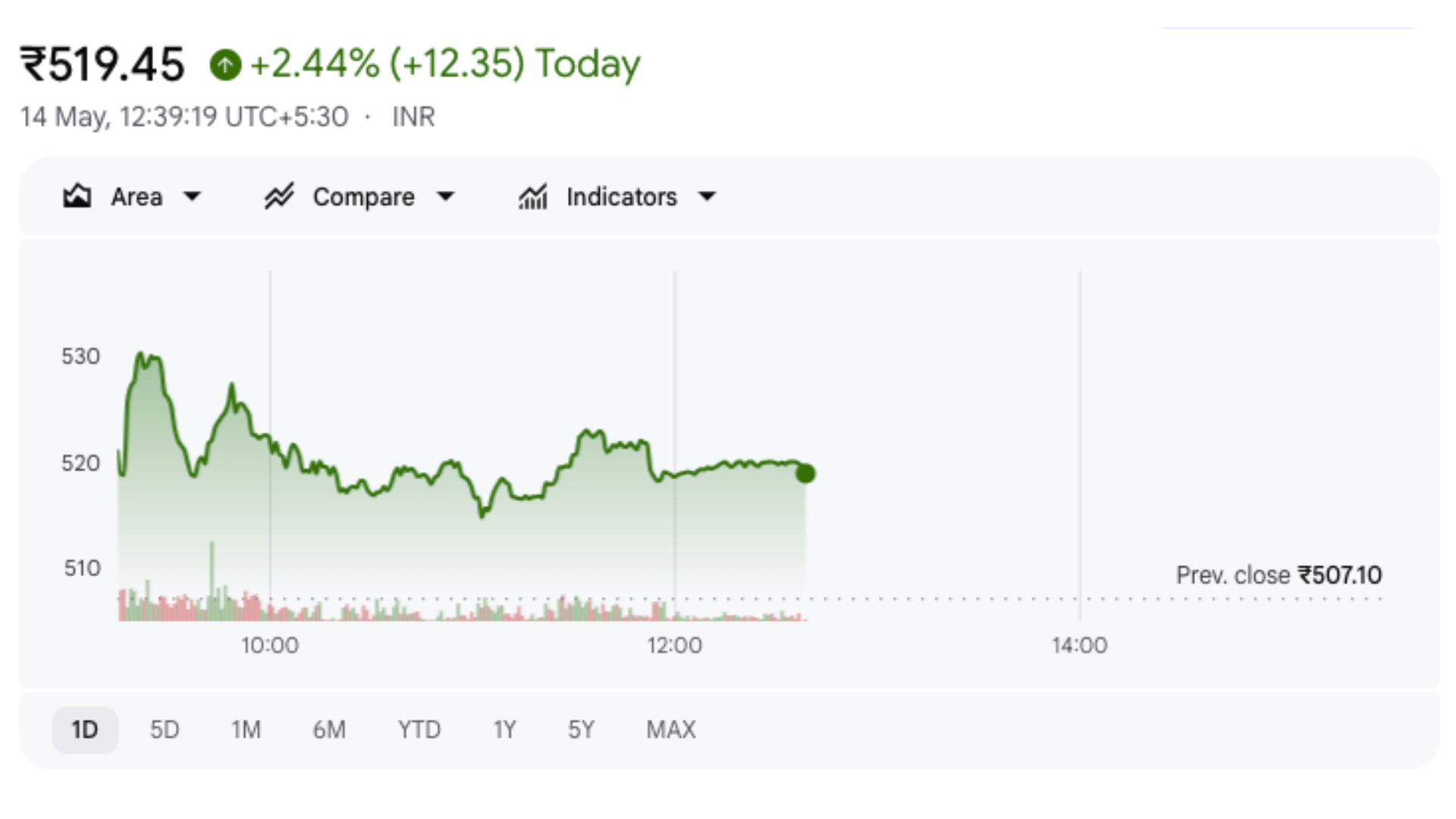
On 11-12 May 2026, ONGC and Oil India rallied sharply after the Centre announced a major cut in royalty rates payable on crude oil and natural gas production. Oil India’s share price spiked about 6-9% intraday to the ₹483-495 zone on the BSE. ONGC gained 4-7% and traded in the range of ₹291-299. Both the stocks outperformed the broader market on the day.
(Source: Good Returns)
The move is seen structurally positive for upstream oil and gas, with estimates suggesting the royalty cut alone could add high single digit percentage value to these stocks. For investors focused on oil India share price, the key point is that it is not just a trading spike, but is a reflection of sudden change in the company’s unit economics that market priced in quickly.
Oil India Share Price
Source: Google Finance
What Exactly Changed in Royalty Rates?
The policy tweak is importantly a reduction in the government take per barrel of oil per unit of gas produced in India.
Key announced changes include:
Royalty on shore crude oil production cut from 16.66-20% down to roughly 10-12.5% depending on block and regime.
Offshore crude oil royalty was reduced from about 9.09% to 8%.
Natural gas royalty trimmed from around 10% to 8-9%.
For nominated and pre-NELP onshore blocks, the rate moving from 20% to 12.5% is particularly meaningful because these are legacy, high-volume assets. (Source: Business Today)
Why Oil India May Benefit More Than ONCG?
From E&P business mix perspective, Oil India is more leveraged to onshore fields than ONGC.
Oil India’s production is almost entirely onshore, so a cut in onshore crude royalty flows through nearly all barrels produced, magnifying the earnings impact.
ONGC has a more diversified production base, with a larger offshore component where the royalty cut is smaller in magnitude, so the blended benefit is lower.
Source (NDTV Profit)
Market Sentiment: From Policy Overhang to Policy Support
Ahead of this announcement, the investors are increasingly getting worried about the increasing government levies which is eating into the upside from higher crude prices for upstream PSUs.
Few sentiment drivers for the investors are:
Lower royalty improves project IRRs, making marginal fields and brownfield expansions more attractive.
Stronger cash flows increase the capacity to invest in capex, repay debt, and enhance dividends.
Policy clarity reduces regulatory risk which encourages long-term investors to pay a higher multiple for earnings.
What Should the Investors Watch?
ONGC and Oil India remain cyclical tied to global crude oil and gas prices. Recent sharp falls in Brent quickly offset the benefits of lower royalties. This is why investors should watch these to monitor the oil India share price and ONGC:
A steep decline in crude prices due to global oversupply or demand shock.
Regulatory measures that hold back the part of the benefit.
Any project execution delays that prevent the companies from fully monetising improved economics.
Conclusion
ONGC and Oil India Share stock rally is not just a knee jerk reaction. It reflects a structural improvement in their business of economics after the government cut royalty rates on crude oil and gas.
Oil India looks to be the bigger beneficiary which is why oil India share price reacted more strongly on the news.
FAQs
Why do you think the Oil India share price jumped recently?
After the Indian government sharply reduced the royalty rates on onshore crude oil and natural gas, the share price materially improved on per-barrel economics.
What is the increase in ONGC and Oil India Share Price?
The share price of Oil India surged roughly 6-9% intraday whereas ONGC rallied about 4-7% significantly performing the broader market.
Is this a one time benefit or structural change?
The royalty rate cut is an ongoing policy so the benefit looks structural. It will be influenced by government decisions and commodity prices.
Why is Oil India a bigger beneficiary than ONGC?
ONGC has a large offshore share whereas oil India production is entirely onshore with steepest royalty cut. This is the reason for more benefit.