



Buy/Sell Your Unlisted Shares
Submit the details below to share a quote.
Just when conversations around the NSE IPO are getting louder, the country’s largest stock exchange is quietly working on closing a legal chapter that has been open for over a decade.
NSE’s effort to settle an old predatory pricing case is seen as being focused more on governance and credibility than on the monetary penalty.The objective is to resolve long-standing issues so that potential investors have greater clarity ahead of the listing NSE IPO.
Investors typically expect transparency when a business goes public, and NSE aims to ensure that long-pending disputes do not raise questions after listing. Earlier in 2025, NSE settled its long-pending co-location matter and offered to pay Rs.1,388 crore to close the issue.
This brings attention to the case involving MSEI and why NSE is now exploring a settlement. Lets have a look further.
The Case NSE Wants to Close With MSEI Before Ringing the IPO Bell
The case relates to allegations of predatory pricing involving the Metropolitan Stock Exchange of India. The case was linked to the currency derivatives (CD) market.
Earlier, between 2008 and 2011, NSE waived transaction fees, admission fees, and other charges in the currency derivatives (CD) segment.
While this helped NSE rapidly gain market share, it also placed heavy pressure on competitors, especially the Metropolitan Stock Exchange of India (MSEI), earlier known as MCX-SX.
MSEI alleged that NSE used its financial strength to price competitors out of the market. The matter was referred to the Competition Commission of India (CCI), which in 2011 imposed a penalty of Rs.55.5 crore on NSE for abuse of dominant position.
While the fine was upheld by appellate authorities, the case has remained pending before the Supreme Court of India since 2014, making it an unresolved contingent liability for NSE.
Why NSE Wants to Settle an Old Legal Fight Just Before Its IPO?
With NSE preparing its draft IPO documents, unresolved legal cases must be disclosed in detail. NSE may seek to avoid open-ended contingent liabilities in its draft IPO documents..
Such disclosures might not always stop an IPO, but they might create uncertainty for investors and complicate valuation discussions.
In order to avoid this, NSE is exploring settlement options to close long-running disputes before listing.
Also Read : NSE IPO Mega Update: SEBI Gives NOC Clears Regulatory Hurdle
Why NSE Is Choosing Settlement Over Litigation Ahead of IPO?
Under the earlier framework of the Competition Act, there was no provision for companies to settle penalties once imposed
That was effective from March 2024, when amendments to the Competition Act introduced a formal settlement and commitment mechanism.
This can open the door for NSE to seek closure. According to sources, since the matter is already before the Supreme Court, any settlement may require judicial approval or intervention under the court’s special powers.
Hence, NSE wants resolution, not prolonged litigation.
What Legal Cleanup Means for NSE IPO Investors
When assessed against the overall size and operational performance of the NSE, the financial exposure resulting from the penalty is limited. From the point of view of an investor, disclosure practices, governance rules, and the way long-standing issues are resolved are usually given higher priority.
Reducing uncertainty after listing is often the goal of resolving legacy issues before a public offering. As it proceeds with its listing preparations, the NSE Unlisted Shares may benefit from increased clarity due to recent developments in other regulatory areas.
Overall, this reflects an evolving approach within Indian capital markets, with major market players placing a greater emphasis on governance frameworks, public disclosures, and regulatory compliance.
You may also like to read
What Are The Different Classes Of Shares Issued In India?

Different Classes of Assets In The Financial Market

Follow These Simple Share Market Tips While Investing

Importance of Investing in Unlisted Shares

Pre IPO Success Stories To Start Your Unlisted Share Trading

Step-by-step Process Of Transferring Unlisted Shares (Off-market)

What Is The Expected Return Of Unlisted Shares?

Common Mistakes To Avoid While Investing In Unlisted Shares

Know Your Tax Implications Before Investing In Unlisted Shares
How To Pick Best Performing Unlisted Stocks in India?

A Detailed Guide On How To Buy Unlisted Shares In India

Risks And Rewards Associated With Unlisted Share Investment

Difference Between Start-Up Investing And Unlisted Shares?

IPO Process in India: Key Steps Explained Clearly

Revealed: The Real Picture of Unlisted Shares in Grey Market

Key Financial Ratios And How To Use Them To Analyse Your Investment

10 Golden Rules Of Investing In Stock Market

101 Guide For Beginners: What Is Pre IPO Share Market?

Listed Shares Vs. Unlisted Shares - Detailed Comparison

The Dark Side of Paytm's IPO Explained In Details

What Leads to Delisting of Shares and What Goes Behind The Scenes?

When Should You Review Your Portfolio Professionally?

In-Depth Analysis of Pre-IPO Shares for Portfolio Growth

PharmEasy Unlisted Price Falls 70%. Here's why

Delaying Pre-IPO Investments? Here’s What You Risk

An NRI’s Guide To Invest In Unlisted Shares In India

Guide To Filter The Most Profitable Unlisted Companies In India

A Comprehensive Guide On Follow-on Stocks

Smart Strategy to Buy & Sell Unlisted Shares Professionally

Care Health Insurance

Top Highly Profitable Unlisted Companies In India To Look For As An Investor

Upcoming IPOs In 2022-2023

Capgemini Unlisted Shares: Is The Risk Worth?

Expert’s Driven Roadmap To Research A Startup IPO

HDFC Sec vs HDB Financial: Which Is the Better Pick?

Detailed Guide To Calculate Capital Gains on Unlisted Shares

Dematerialisation of Unlisted Shares and Its Impact On Shareholders

How are B9 Beverages Pvt Ltd (Bira91) Unlisted Shares Gaining Pace Again?

Reliance Retail: The Success Story of India's Largest Retail Brand

The Future Of Unlisted Shares In the Fintech Market
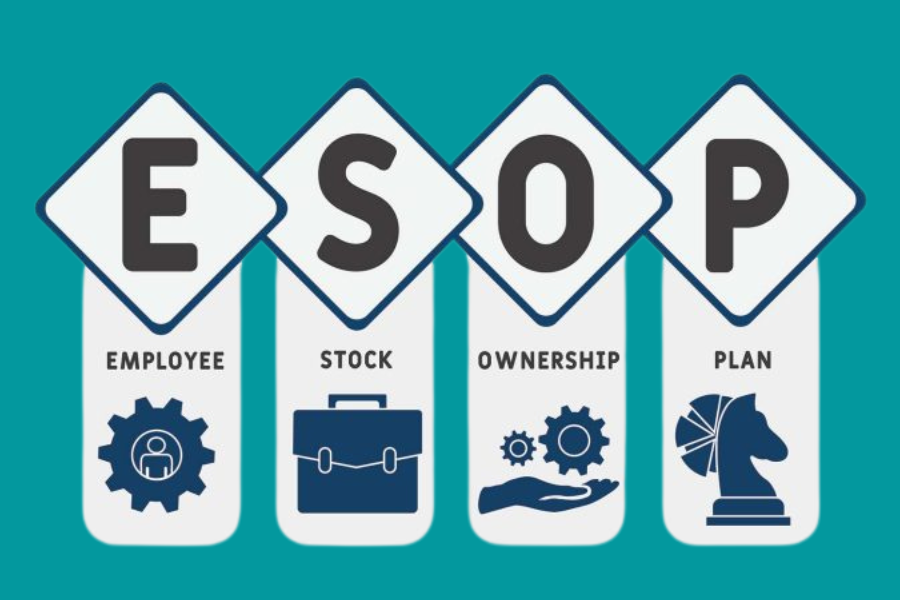
Employee Stock Ownership Plan: What, How, and Why?

Studds Unlisted Shares: 6 Reasons to Buy Now

LAVA’s Unlisted Shares Soar Under Atmanirbhar Push
NSE vs BSE: Detailed 101 Market Share Comparison

The Role Of Corporate Governance And Management In Unlisted Companies

The Future Outlook For Unlisted Shares As An Investment Option

How to Buy and Sell Unlisted Shares in India?

The Benefits And Drawbacks Of Investing In Unlisted Shares

What's Temperature Ahead Of Tata Technologies' ₹4,000 Cr. IPO?