


Table of Contents
Buy/Sell Your Unlisted Shares
Submit the details below to share a quote.
PharmEasy is working through a decisive phase in its evolution, as India’s once high-flying health-tech unicorn attempts to rebuild itself after a sharp valuation reset. Valued at nearly Rs. 46,000 crore during the pandemic-led boom, the company later faced mounting losses, slowing growth, and investor pressure. The appointment of Rahul Guha as CEO in August 2025 marked a clear break from the earlier expansion-first approach, with management now targeting full profitability by March 2027.
The Cost of Unchecked Expansion
The strain in PharmEasy’s business model became evident in FY24. The company posted a consolidated net loss of Rs. 2,531 crore on revenue of Rs. 5,664 crore, which means scale failed to translate into operating leverage. Capital outflows were steep, and margins remained under pressure. By 2024, the company’s valuation had fallen to roughly Rs. 5,800 crore following a down-round fundraise, underlining the depth of the correction.
FY25 marked the beginning of a recalibration. Net losses narrowed by about 40% to Rs. 1,516.8 crore, even as revenue growth slowed to 3.6%. This slowdown was not accidental. The company deliberately pulled back from aggressive discounting and low-margin customer acquisition, choosing instead to stabilise costs and improve contribution margins.
Leadership Reset and Operating Discipline
A major contributor to this shift was the leadership transition in early 2025. Three of the four co-founders exited day-to-day roles, reducing internal complexity. Siddharth Shah moved into a vice-chairman role, while Rahul Guha took operational control. Guha’s experience at Thyrocare Technologies, where he oversaw steady profitability and margin improvement, shaped the company’s renewed focus on financial discipline.
Under this leadership, PharmEasy tightened operations across the board. High-cost debt was refinanced, select non-convertible debentures were redeemed, and a minority stake in Thyrocare was sold to improve liquidity. These steps brought down finance costs and eased balance-sheet stress, freeing up cash for core operations rather than debt servicing.
Building a More Resilient Business Model
The company also reworked its operating engine. Internal procurement through its wholesale arm, Retailio, expanded sharply, reducing reliance on third-party distributors and lifting gross margins. Retailio emerged as a key revenue driver, contributing more than half of operating revenue in FY25.
At the same time, PharmEasy shifted focus toward segments with steadier demand and better margins. Chronic patients, who require regular medication refills, became a priority due to their higher lifetime value. The company also increased its share of generic medicines and private-label products, while strengthening diagnostics cross-selling through Thyrocare. Diagnostics, with structurally higher margins than online pharmacy retail, now form a central pillar of profitability.
Early Signs of a Credible Recovery
The first half of FY26 offered the strongest evidence yet that the reset is gaining traction. API Holdings reported EBITDA positivity on an adjusted basis for the first time. Monthly losses, once close to Rs. 50 crore, dropped to below Rs. 2 crore, while revenue growth rebounded to around 18%. This combination of improving margins and renewed growth suggests that the business is no longer trading scale for sustainability.
Challenges remain. Regulatory risks, remaining debt obligations, and dependence on Thyrocare’s continued performance could still test execution. Even so, the direction is now clearer. PharmEasy’s transformation is no longer defined by rapid expansion, but by operational restraint and margin repair. If the current trajectory holds, the company’s March 2027 profitability target appears increasingly realistic, positioning PharmEasy as a rare example of a startup that has learned, adjusted, and steadied itself.
You may also like to read
What Are The Different Classes Of Shares Issued In India?

Different Classes of Assets In The Financial Market

Follow These Simple Share Market Tips While Investing
Importance of Investing in Unlisted Shares

Step-by-step Process Of Transferring Unlisted Shares (Off-market)

Pre IPO Success Stories To Start Your Unlisted Share Trading

What Is The Expected Return Of Unlisted Shares?

A Detailed Guide On How To Buy Unlisted Shares In India

Know Your Tax Implications Before Investing In Unlisted Shares

Common Mistakes To Avoid While Investing In Unlisted Shares
How To Pick Best Performing Unlisted Stocks in India?
Risks And Rewards Associated With Unlisted Share Investment
Difference Between Start-Up Investing And Unlisted Shares?

IPO Process in India: Key Steps Explained Clearly

Revealed: The Real Picture of Unlisted Shares in Grey Market
Key Financial Ratios And How To Use Them To Analyse Your Investment

101 Guide For Beginners: What Is Pre IPO Share Market?
10 Golden Rules Of Investing In Stock Market
Listed Shares Vs. Unlisted Shares - Detailed Comparison
The Dark Side of Paytm's IPO Explained In Details

What Leads to Delisting of Shares and What Goes Behind The Scenes?

When Should You Review Your Portfolio Professionally?

In-Depth Analysis of Pre-IPO Shares for Portfolio Growth

PharmEasy Unlisted Price Falls 70%. Here's why
Delaying Pre-IPO Investments? Here’s What You Risk
An NRI’s Guide To Invest In Unlisted Shares In India
Guide To Filter The Most Profitable Unlisted Companies In India

A Comprehensive Guide On Follow-on Stocks

Care Health Insurance

Smart Strategy to Buy & Sell Unlisted Shares Professionally
Top Highly Profitable Unlisted Companies In India To Look For As An Investor

Upcoming IPOs In 2022-2023
Expert’s Driven Roadmap To Research A Startup IPO

Capgemini Unlisted Shares: Is The Risk Worth?

HDFC Sec vs HDB Financial: Which Is the Better Pick?

Detailed Guide To Calculate Capital Gains on Unlisted Shares

Dematerialisation of Unlisted Shares and Its Impact On Shareholders

How are B9 Beverages Pvt Ltd (Bira91) Unlisted Shares Gaining Pace Again?
Reliance Retail: The Success Story of India's Largest Retail Brand

The Future Of Unlisted Shares In the Fintech Market
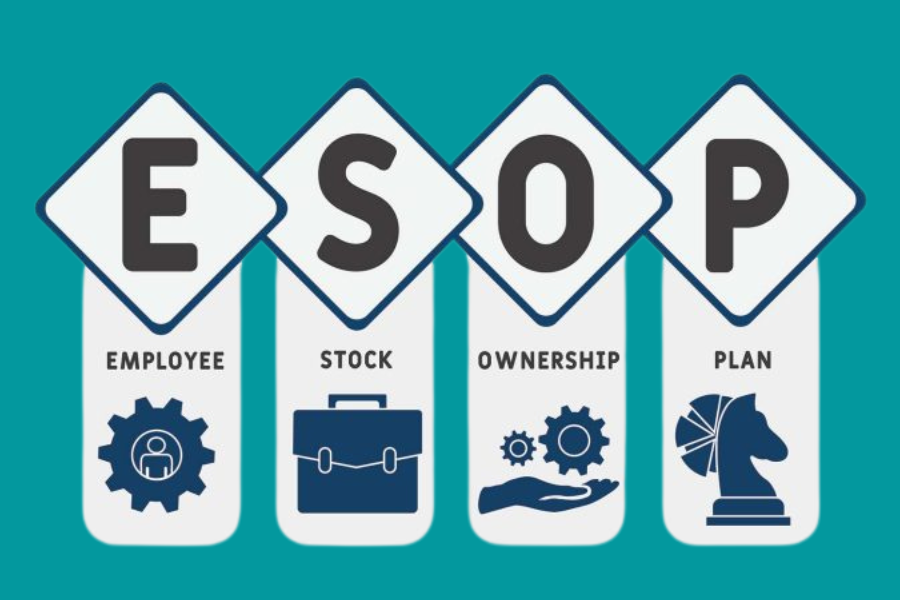
Employee Stock Ownership Plan: What, How, and Why?

Studds Unlisted Shares: 6 Reasons to Buy Now

LAVA’s Unlisted Shares Soar Under Atmanirbhar Push
NSE vs BSE: Detailed 101 Market Share Comparison

The Role Of Corporate Governance And Management In Unlisted Companies
What's Temperature Ahead Of Tata Technologies' ₹4,000 Cr. IPO?

The Future Outlook For Unlisted Shares As An Investment Option

How to Buy and Sell Unlisted Shares in India?
The Benefits And Drawbacks Of Investing In Unlisted Shares