


Table of Contents
Buy/Sell Your Unlisted Shares
Submit the details below to share a quote.
In the last few years, the concept of unlisted shares has boomed in India. While listed shares come with a safety net of regulation and monitoring by the Securities and Exchange Board of India (SEBI), unlisted shares have much less regulation, creating greater risk but also offering significant growth potential.
If you are someone who knows the value of unlisted shares but doesn't know how and where to buy them, this guide is for you.
What Is An Unlisted Share?
Unlisted shares are simply shares of companies that are not listed on stock exchanges like the National Stock Exchange (NSE) or Bombay Stock Exchange (BSE). These companies may be in their growth phase, some planning an IPO, while others are likely to remain private.
Since they are not publicly traded, you won’t be able to find their prices on a trading app. Instead, they are bought and sold privately through off-market deals. That's why they are called over-the-counter (OTC) securities. Therefore, compared with listed shares, whose prices can be tracked in real time, unlisted share prices likely depend on valuation, demand, and other factors.
Types of Unlisted Instruments
When people think of unlisted investments, they usually think of shares, but that’s not the full thing. There are a few other instruments available in this sector:
Corporate Bonds: Companies raise money by borrowing from investors and promise fixed returns over time.
Government Securities: Issued by the government, these are considered low-risk and include treasury bills and bonds.
Derivatives & Swaps: Likely more complex instruments where value depends on an underlying asset like interest rates or currencies.
Hence, each of these operates outside traditional exchanges and is usually traded over-the-counter.
Benefits of Buying Unlisted Shares
So why are more investors exploring unlisted shares today? The answer might be the unique advantages this sector offers, especially to those who might be willing to think long-term.
1. Early Entry Advantage
A major benefit is getting in before the crowd. Investing in a company while it’s still in a growing phase. This early positioning can likely make a huge difference when the company eventually goes public and attracts wider investor interest.
2. High Growth Potential
Unlisted companies, especially pre-IPO or fast-growing startups, might often have strong expansion potential. If the business performs well and lists at a higher valuation, early investors might see substantial capital appreciation. This is where unlisted investing can outperform traditional stocks.
3. Portfolio Diversification
Adding unlisted shares to the portfolio means not relying only on publicly traded markets like the NSE or BSE. This might help spread risk, especially during market volatility. Since private market investments might not always move in sync with listed equities.
4. Access to Exclusive Opportunities
Many fundamentally strong companies likely remain unlisted for years. Investing in this sector might give access to opportunities that aren’t available to the general public. These could include pre-IPO companies, niche businesses, or emerging leaders in new sectors.
5. Be Part of the Growth Journey
Apart from returns, there’s a different kind of satisfaction in being part of a company’s journey from an early stage to a potential market leader. Someone could grow with the business, instead of entering after the hype.
Is It Legal To Buy Unlisted Shares In India?
Yes, it is completely legal to buy unlisted shares in India, as long as everything is done in line with regulations set by the Securities and Exchange Board of India (SEBI) and the Companies Act. One must ensure:
Proper documentation is completed
Stamp duty is paid.
The transfer is officially recorded,
How Can I Purchase An Unlisted Share?
There are multiple ways to purchase unlisted shares depending on your investment strategy and risk appetite. These private equity opportunities are often sourced through specialised broker networks, an intermediary, or online platform services that list top unlisted opportunities.
Here are different avenues to buy and sell unlisted shares across the unlisted market:
A)Investing in Start-ups and Intermediaries
Buying through a broker experienced in private deals remains one of the best price avenues. Many platforms now allow investors to buy and sell unlisted shares online efficiently.
This way has benefits like:
Access to unlisted stocks with growth potential
Assisted in buy or sell execution via a Demat account
Updated unlisted share prices and guidance
Such financial services providers ensure seamless buying and selling execution.
B) Buying ESOPs Directly from Employees
Employees with stock benefits often want liquidity before an IPO. Investors can acquire these unlisted shares via:
Private discussions: Investors negotiate directly with employees to buy their vested ESOP shares.
Market-linked pricing: The share price is decided based on recent private market valuations or demand trends.
Direct transfer to a Demat account: Once approved, the purchased shares are transferred electronically to the investor’s Demat account.
This gives access to potential pre-IPO out-performance early.
C) Buying Stocks Directly from Promoters
Buying shares directly from a promoter or major shareholder gives you direct entry into high-value companies, often at negotiated pricing. However, such deals require:
Strong documentation
Verified transfer checks with SEBI compliance
Ideal when targeting exclusive opportunities.
D) PMS and AIF Schemes That Pick Up Unlisted Shares
Professionally managed funds such as Alternative Investment Funds (AIFs), Portfolio Management Services (PMS), and private equity structures offer investors a structured way to invest in unlisted companies. These funds are managed by experienced professionals who conduct due diligence, manage risk, and ensure diversification across multiple high-potential opportunities.
Once the deal is finalized, shares are transferred to your Demat account through an off-market transfer.
Unlisted Share Market Platforms And Process
Today, buying unlisted shares has become much more accessible than before. Several platforms and intermediaries now help investors connect with sellers and discover opportunities. The process typically looks like this:
Identify the company you want to invest in.
Connect with a trusted broker or platform.
Negotiate the price based on valuation.
Complete documentation and payment.
Receive shares in your Demat account.
Even though access has improved, this market still requires patience, proper research, and trusted connections.
How To Buy And Sell Unlisted Shares Through Stockify?
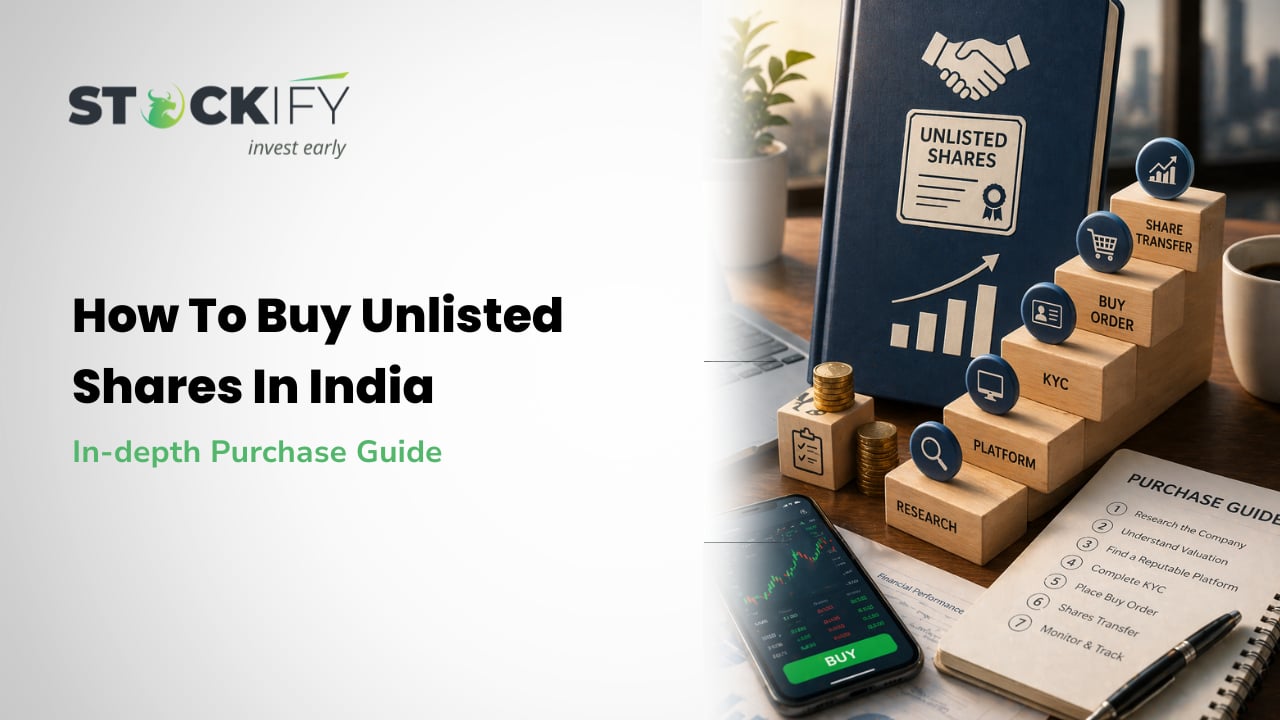
Stockify is one of the best platforms to buy unlisted shares in India. We have simplified the buying and selling of unlisted shares in India. You can buy or sell unlisted stocks in a few simple steps.
Choose a company.
KYC verification & payment.
Transfer of shares.
Check the list of top trending unlisted shares with their research reports here.
You may also like to read
What Are The Different Classes Of Shares Issued In India?

Different Classes of Assets In The Financial Market

Follow These Simple Share Market Tips While Investing
Importance of Investing in Unlisted Shares

Pre IPO Success Stories To Start Your Unlisted Share Trading

Step-by-step Process Of Transferring Unlisted Shares (Off-market)

What Is The Expected Return Of Unlisted Shares?
Common Mistakes To Avoid While Investing In Unlisted Shares

Know Your Tax Implications Before Investing In Unlisted Shares
How To Pick Best Performing Unlisted Stocks in India?

A Detailed Guide On How To Buy Unlisted Shares In India

Risks And Rewards Associated With Unlisted Share Investment

Difference Between Start-Up Investing And Unlisted Shares?

IPO Process in India: Key Steps Explained Clearly

Revealed: The Real Picture of Unlisted Shares in Grey Market
Key Financial Ratios And How To Use Them To Analyse Your Investment

10 Golden Rules Of Investing In Stock Market

101 Guide For Beginners: What Is Pre IPO Share Market?

Listed Shares Vs. Unlisted Shares - Detailed Comparison

The Dark Side of Paytm's IPO Explained In Details

What Leads to Delisting of Shares and What Goes Behind The Scenes?

When Should You Review Your Portfolio Professionally?

In-Depth Analysis of Pre-IPO Shares for Portfolio Growth

PharmEasy Unlisted Price Falls 70%. Here's why

Delaying Pre-IPO Investments? Here’s What You Risk

An NRI’s Guide To Invest In Unlisted Shares In India

Guide To Filter The Most Profitable Unlisted Companies In India

A Comprehensive Guide On Follow-on Stocks

Smart Strategy to Buy & Sell Unlisted Shares Professionally

Care Health Insurance
Top Highly Profitable Unlisted Companies In India To Look For As An Investor

Upcoming IPOs In 2022-2023

Capgemini Unlisted Shares: Is The Risk Worth?

Expert’s Driven Roadmap To Research A Startup IPO

HDFC Sec vs HDB Financial: Which Is the Better Pick?

Detailed Guide To Calculate Capital Gains on Unlisted Shares

Dematerialisation of Unlisted Shares and Its Impact On Shareholders

How are B9 Beverages Pvt Ltd (Bira91) Unlisted Shares Gaining Pace Again?

Reliance Retail: The Success Story of India's Largest Retail Brand

The Future Of Unlisted Shares In the Fintech Market
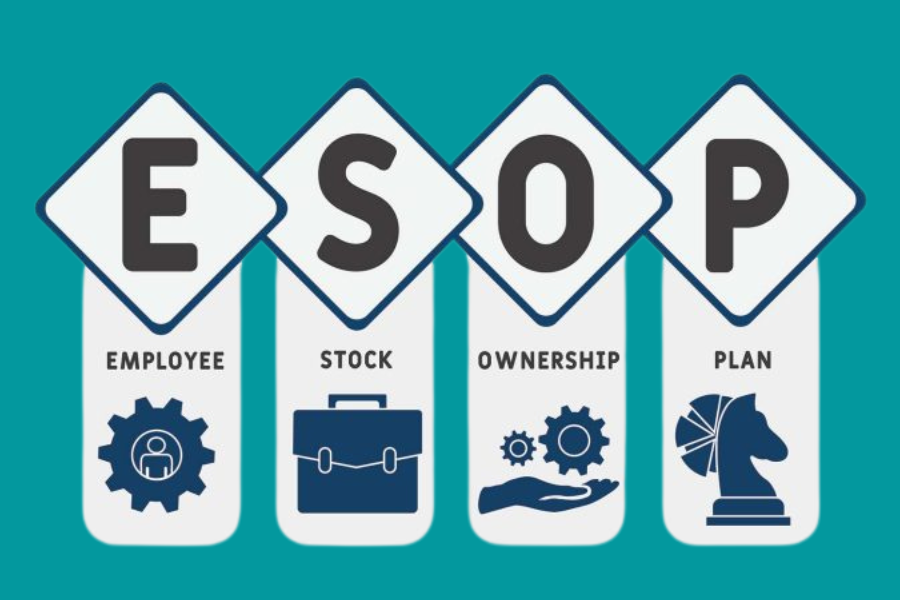
Employee Stock Ownership Plan: What, How, and Why?

Studds Unlisted Shares: 6 Reasons to Buy Now

LAVA’s Unlisted Shares Soar Under Atmanirbhar Push
NSE vs BSE: Detailed 101 Market Share Comparison

The Role Of Corporate Governance And Management In Unlisted Companies

The Future Outlook For Unlisted Shares As An Investment Option

How to Buy and Sell Unlisted Shares in India?

The Benefits And Drawbacks Of Investing In Unlisted Shares

What's Temperature Ahead Of Tata Technologies' ₹4,000 Cr. IPO?