


1.jpg)
Buy/Sell Your Unlisted Shares
Submit the details below to share a quote.
The NSE Investor base is growing at a sharp rate with the borus adding 1 crore unique investors in just 7 months, reaching a total 13 crore. In just about 7 months. Let's understand:
NSE took 14 Years to Rapid Growth
NSE Investor Base Growth Explained
Why Investor Growth Is Rising Now?
Investor Growth Beyond Metro Cities
SIP Growth and Rising Retail Participation
Is India’s Capital Market Becoming Inclusive?
What NSE Boom Means for India’s Future?
NSE took 14 Years to Rapid Growth
It took NSE nearly 14 years to reach its first 1 crore investors likely after establishment. Adding the next 3 crore took around another 11 years. But presently, the pace might have been completely change. Now, 1 crore investors are being added every 6-8 months on average. As per the Economic times, 1 crore new investors ere added in just 7 months after crossing 12 crore in September FY25. This sharp acceleration highlights a structural shift from slow adoption to rapid financial participation could be due to technology, awareness, and accessibility.
At the same time, the total number of client codes has reached 25.7 crore (as of April FY26). This might be showing that many investors are actively holding multiple accounts and engaging more deeply with markets.
NSE Investor Base Growth Explained
India’s retail investor boom is accelerating rapidly between FY21 and FY26.The NSE investor base grew at a CAGR of 26.4% while compared to 15.2% in the previous 5 year period (FY16-FY21). This could means investor growth has nearly 2x in last 5 years which is something might rarely seen in mature financial markets.
Rising Women's Participation
Women’s participation is for nearly 25% of total investors. This could be reflecting increasing financial independence and awareness. This might a significant shift compared to earlier years when female participation was likely much lower. Hence, NSE investor base is likely becoming more diverse.
Why Investor Growth Is Rising Now?
There might several strong factors that have helped drive this increase in participation:
A. Retail Investors Now Hold 18.6% of the Market
As of December FY25, individual investors directly and through mutual funds held 18.6% of NSE-listed companies. This could indicates that retail investors are no longer marginal participants. They are now likely play a meaningful role in market movements and ownership.
B. Digital Access and Awareness Driving Market Participation
Technology has played a massive role in this boom. Due to digital access, seamless account opening done through simplified KYC. The mobile friendly trading apps making investing accessible anytime and anywhere. The awareness happened by growing financial content across YouTube, Instagram, and blogs. Therefore, these factors might have reduced entry barriers and made investing easier than ever.
C. Young Investors Are Dominating the Stock Market
Young investors likely dominating the overall NSE investor base. Where nearly 40% of investors are below 30 years and median age has dropped to around 33 years while comparing to 33 years in FY21. This shift possibly shows that younger Indians are actively taking control of their financial future earlier compared to previous generations.
Investor Growth Beyond Metro Cities
The stock market participation is not limited to top tier cities. Today, investors are spread across 99.85% of India’s pincodes, might indicating deep penetration into smaller towns and rural areas.
Rise of Tier 2 & Tier 3 Cities in Equity Investing
A large chunk of new investors is likely coming from Tier 2, Tier 3, and even Tier 4 cities. This could be due to better internet access, regional language content, and user friendly platforms that have helped to access beyond metro hubs.
Top States By Investors
Some states continue to lead in absolute numbers such as Maharashtra with nearly 2 crore investors, Uttar Pradesh with around 1.5 crore and Gujarat with 1.1 crore. At the same time, smaller states especially in the Northeast are seeing multi-fold growth. This could be because of rising financial inclusion.
SIP Growth and Rising Retail Participation
Retail participation growth can also strongly visible in mutual funds. In FY26, 7.2 crore new SIP accounts were added. This could be reflecting an increased in disciplined investing. Monthly SIP inflows might have also grown sharply over the years. This possible shows that investors behavior of long-term wealth-building rather than short-term trading.
Expanding Investment Options Beyond Equities
Today’s investors are exploring beyond just stocks. Participation is increasing across ETFs, REITs, InvITs and bonds. This diversification could reflects a more mature and informed investor base.
Is India’s Capital Market Becoming Inclusive?
India’s capital market is likely becoming more inclusive. This could be with broader participation across geographies, age groups, and income segments. Also regulatory efforts, investor education programs, and digital platforms are playing a crucial role in making markets accessible to everyone.
Also Read: NSE’s Massive Milestone - Crosses 10 Crore Investor Mark
What NSE Boom Means for India’s Future?
This rapid expansion has far-reaching implications for India’s stock market. It might leading to higher liquidity, which improves overall market efficiency. At the same time, the growing retail base is might reducing the market’s dependence on institutional investors. Stronger domestic participation is also possibly helping markets stay stable during certain periods of global volatility. Hence, Indians are likely be moving from traditional savings habits towards more active investing and long-term wealth creation.
You may also like to read

What Are The Different Classes Of Shares Issued In India?

Different Classes of Assets In The Financial Market

Follow These Simple Share Market Tips While Investing

Importance of Investing in Unlisted Shares

Pre IPO Success Stories To Start Your Unlisted Share Trading

Step-by-step Process Of Transferring Unlisted Shares (Off-market)

What Is The Expected Return Of Unlisted Shares?

Common Mistakes To Avoid While Investing In Unlisted Shares

Know Your Tax Implications Before Investing In Unlisted Shares

How To Pick Best Performing Unlisted Stocks in India?

A Detailed Guide On How To Buy Unlisted Shares In India

Risks And Rewards Associated With Unlisted Share Investment

Difference Between Start-Up Investing And Unlisted Shares?

IPO Process in India: Key Steps Explained Clearly

Revealed: The Real Picture of Unlisted Shares in Grey Market

Key Financial Ratios And How To Use Them To Analyse Your Investment

10 Golden Rules Of Investing In Stock Market

101 Guide For Beginners: What Is Pre IPO Share Market?

Listed Shares Vs. Unlisted Shares - Detailed Comparison

The Dark Side of Paytm's IPO Explained In Details

What Leads to Delisting of Shares and What Goes Behind The Scenes?

When Should You Review Your Portfolio Professionally?

In-Depth Analysis of Pre-IPO Shares for Portfolio Growth

PharmEasy Unlisted Price Falls 70%. Here's why

Delaying Pre-IPO Investments? Here’s What You Risk

An NRI’s Guide To Invest In Unlisted Shares In India

Guide To Filter The Most Profitable Unlisted Companies In India

A Comprehensive Guide On Follow-on Stocks

Smart Strategy to Buy & Sell Unlisted Shares Professionally

Care Health Insurance

Top Highly Profitable Unlisted Companies In India To Look For As An Investor

Upcoming IPOs In 2022-2023

Capgemini Unlisted Shares: Is The Risk Worth?

Expert’s Driven Roadmap To Research A Startup IPO

HDFC Sec vs HDB Financial: Which Is the Better Pick?

Detailed Guide To Calculate Capital Gains on Unlisted Shares

Dematerialisation of Unlisted Shares and Its Impact On Shareholders

How are B9 Beverages Pvt Ltd (Bira91) Unlisted Shares Gaining Pace Again?

Reliance Retail: The Success Story of India's Largest Retail Brand

The Future Of Unlisted Shares In the Fintech Market
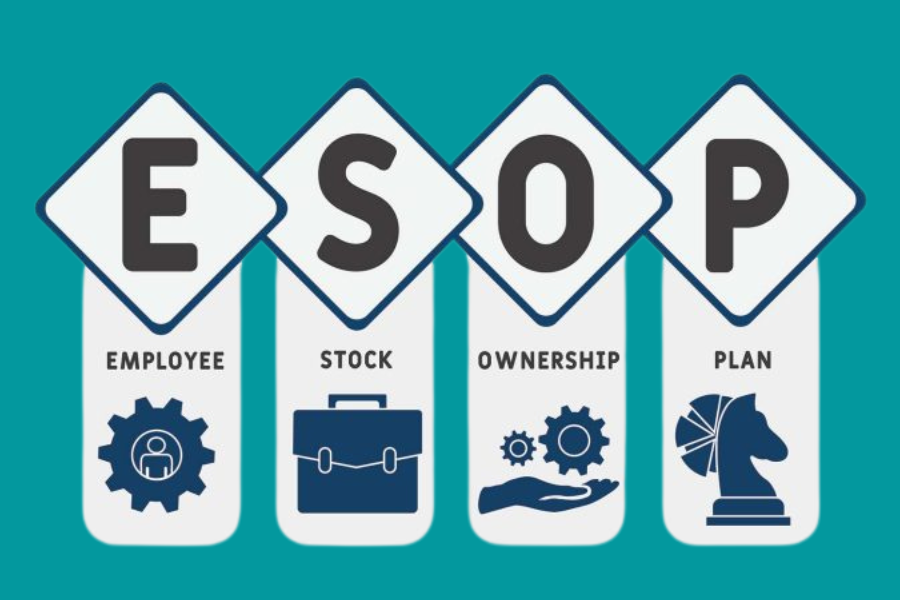
Employee Stock Ownership Plan: What, How, and Why?

Studds Unlisted Shares: 6 Reasons to Buy Now

LAVA’s Unlisted Shares Soar Under Atmanirbhar Push
NSE vs BSE: Detailed 101 Market Share Comparison

The Role Of Corporate Governance And Management In Unlisted Companies

The Future Outlook For Unlisted Shares As An Investment Option

How to Buy and Sell Unlisted Shares in India?

The Benefits And Drawbacks Of Investing In Unlisted Shares

What's Temperature Ahead Of Tata Technologies' ₹4,000 Cr. IPO?