


Table of Contents
Buy/Sell Your Unlisted Shares
Submit the details below to share a quote.
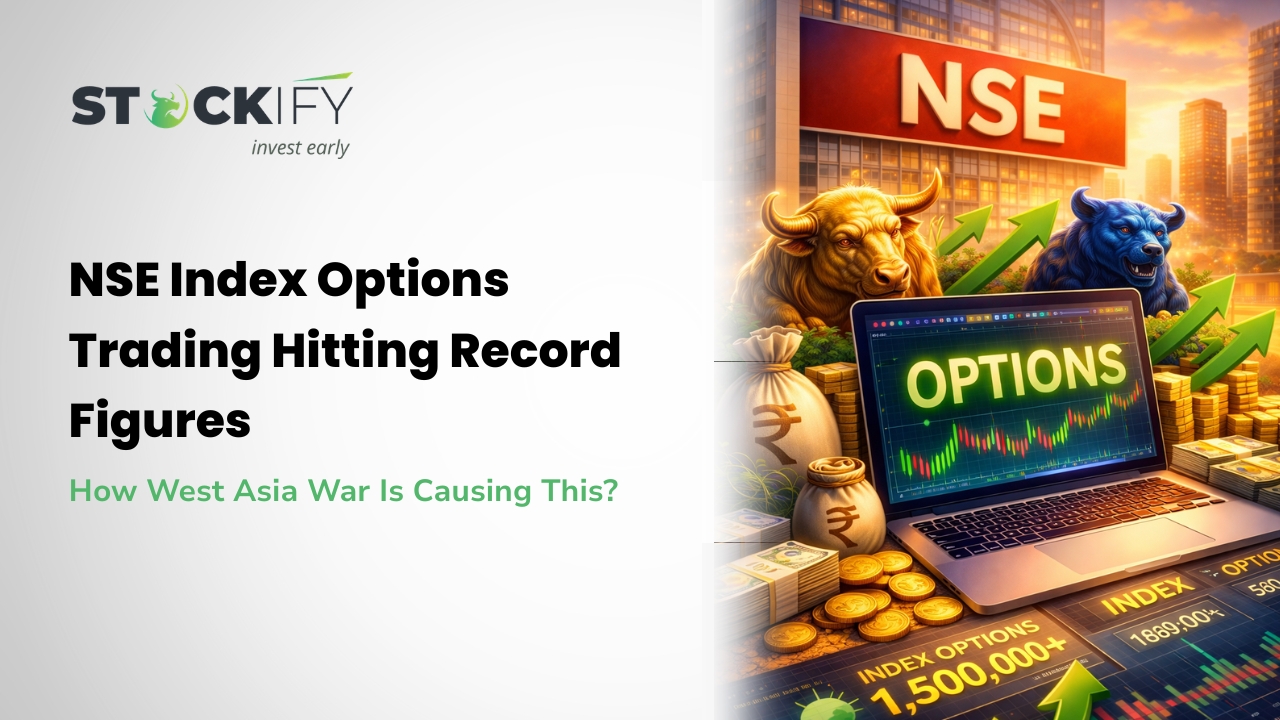
Something unusual has been happening in the Indian stock market over the past few sessions. While the NSE Index itself has been swinging with uncertainty, the real action has shifted quietly into the derivatives segment. Index options turnover on the National Stock Exchange has surged sharply, and this isn’t just routine expiry-day noise. The trigger? Rising geopolitical tension in West Asia has injected a fresh wave of nervous energy into global markets.
Why Are NSE Index Options Suddenly In Focus?
There’s a pattern you’ll notice in every uncertain market phase: people stop trying to be “right” about direction and likely start trying to manage the chaos. That’s exactly what’s happening right now. The NSE Index might not have been moving in a calm, predictable way. One day it reacts to global cues, and the next day it swings on fresh headlines. In this kind of environment, holding simple buy-or-sell positions in stocks might start to feel uncomfortable. That’s where index options come into the picture.
Traders are likely to diversify if the market suddenly flips. Some might use options as a net safety if the market fell sharply and unexpectedly. Whereas others might be positioning on volatility instead of direction. And many might be taking short-term positions with limited capital. With the NSE index exhibiting frequent intraday swings, traders are no longer chasing trends; instead, they're adapting to instability. And in times like these, options naturally become the preferred tool, not because they are aggressive, but because they offer control in an uncontrollable market.
West Asia Tensions: The Real Catalyst
When global markets get uneasy, India doesn’t stay untouched for long. The current market nervousness is likely to be impacted by external factors. What’s unfolding in West Asia has added a layer of uncertainty that global markets might not be able to ignore. The impact isn’t direct, but it moves in a chain reaction:
When tensions rise, global trade sentiment weakens, and businesses and investors turn cautious.
Oil prices start reacting quickly, and for a country like India that depends heavily on imports, even small spikes matter
Foreign investors begin to pull back or slow down allocations, waiting for clarity
All of this eventually finds its way into the NSE Index. It’s less about fundamentals in the short term and might be more about reactions. When markets stop moving smoothly and start reacting sharply, traders can naturally shift their approach. That’s why, as volatility picks up in the NSE index, activity in options tends to rise alongside it, likely as a direct response to uncertainty.
What Does This Mean For The NSE Index Trend?
When options activity suddenly spikes, it usually tells you one thing — the market is unsure. Right now, the NSE Index isn’t moving in a clean trend; it’s reacting to news, jumping up and down, and keeping traders on edge. Direction may stay unclear for a while, with sharp moves on both sides becoming more common. It’s less of a steady market and more of a “react first, think later” phase.
Retail Participation Is Also Likely Rising
While higher turnover may indicate active participation, it is important to understand that
Options trading involves significant risk, especially in volatile conditions
Price movements can be sharp and unpredictable
Not all strategies are suitable for every participant
Market participants are likely to evaluate their risk appetite and financial goals before engaging in derivatives trading. Overall, the surge in NSE Index options turnover is a direct response to uncertainty coming from outside India’s borders. West Asia volatility has the following:
Increased market swings
Shifted trader focus toward derivatives
Created a high-risk, high-opportunity environment
As the war stabilises, we can expect NSE trading volumes in equities to increase and return to normal levels.
You may also like to read

What Are The Different Classes Of Shares Issued In India?

Different Classes of Assets In The Financial Market

Follow These Simple Share Market Tips While Investing
Importance of Investing in Unlisted Shares

Pre IPO Success Stories To Start Your Unlisted Share Trading

Step-by-step Process Of Transferring Unlisted Shares (Off-market)

What Is The Expected Return Of Unlisted Shares?

Common Mistakes To Avoid While Investing In Unlisted Shares

Know Your Tax Implications Before Investing In Unlisted Shares

How To Pick Best Performing Unlisted Stocks in India?

A Detailed Guide On How To Buy Unlisted Shares In India

Risks And Rewards Associated With Unlisted Share Investment

Difference Between Start-Up Investing And Unlisted Shares?

IPO Process in India: Key Steps Explained Clearly

Revealed: The Real Picture of Unlisted Shares in Grey Market

Key Financial Ratios And How To Use Them To Analyse Your Investment

10 Golden Rules Of Investing In Stock Market

101 Guide For Beginners: What Is Pre IPO Share Market?

Listed Shares Vs. Unlisted Shares - Detailed Comparison

The Dark Side of Paytm's IPO Explained In Details

What Leads to Delisting of Shares and What Goes Behind The Scenes?

When Should You Review Your Portfolio Professionally?

In-Depth Analysis of Pre-IPO Shares for Portfolio Growth

PharmEasy Unlisted Price Falls 70%. Here's why

Delaying Pre-IPO Investments? Here’s What You Risk

An NRI’s Guide To Invest In Unlisted Shares In India

Guide To Filter The Most Profitable Unlisted Companies In India

A Comprehensive Guide On Follow-on Stocks

Smart Strategy to Buy & Sell Unlisted Shares Professionally

Care Health Insurance

Top Highly Profitable Unlisted Companies In India To Look For As An Investor

Upcoming IPOs In 2022-2023

Capgemini Unlisted Shares: Is The Risk Worth?

Expert’s Driven Roadmap To Research A Startup IPO

HDFC Sec vs HDB Financial: Which Is the Better Pick?

Detailed Guide To Calculate Capital Gains on Unlisted Shares

Dematerialisation of Unlisted Shares and Its Impact On Shareholders

How are B9 Beverages Pvt Ltd (Bira91) Unlisted Shares Gaining Pace Again?

Reliance Retail: The Success Story of India's Largest Retail Brand

The Future Of Unlisted Shares In the Fintech Market
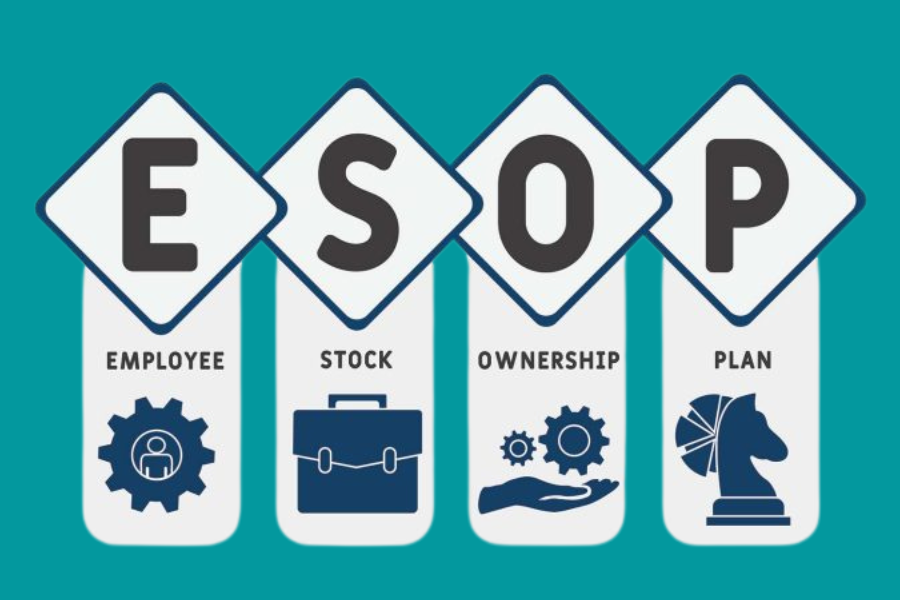
Employee Stock Ownership Plan: What, How, and Why?

Studds Unlisted Shares: 6 Reasons to Buy Now

LAVA’s Unlisted Shares Soar Under Atmanirbhar Push
NSE vs BSE: Detailed 101 Market Share Comparison

The Role Of Corporate Governance And Management In Unlisted Companies

The Future Outlook For Unlisted Shares As An Investment Option

How to Buy and Sell Unlisted Shares in India?

The Benefits And Drawbacks Of Investing In Unlisted Shares

What's Temperature Ahead Of Tata Technologies' ₹4,000 Cr. IPO?