


Buy/Sell Your Unlisted Shares
Submit the details below to share a quote.
Sterlite Electric Limited, a subsidiary of the Vedanta Group, has filed its Draft Red Herring Prospectus (DRHP) with the Securities and Exchange Board of India (SEBI) on September 30, 2025, marking an important step toward its planned stock market debut.
IPO Structure and Size
The proposed IPO includes a fresh issue of 77.93 lakh equity shares and an offer for sale (OFS) of 77.96 lakh shares, totalling approximately 1.56 crore shares. The company aims to raise around Rs. 1,400–1,500 crore, with the issue to be listed on both the BSE and NSE.
After the issue, Sterlite Electric’s share capital will increase from 12.57 crore to 14.11 crore shares.
Use of Proceeds and Lead Managers
Funds raised from the IPO will be used for debt repayment, capital expenditure at the Vadodara plant, and general corporate purposes. Axis Capital, Motilal Oswal, and Nuvama Wealth Management are the book-running lead managers, while KFin Technologies is the registrar.
Backed by India’s Rs. 2.4 lakh crore transmission expansion plans and a rising renewable energy push, Sterlite Electric stands on a strong footing for future growth. A robust order book, financial stability, and growing export base further strengthen its outlook ahead of the IPO.
Business Overview
Sterlite Electric is a power transmission and system integration company that manufactures overhead conductors, optical ground wire (OPGW), and power cables. It also provides Master System Integration (MSI) services for utilities and infrastructure projects.
The company operates four facilities across India in Jharsuguda (Odisha), Silvassa (Dadra and Nagar Haveli), and Haridwar (Uttarakhand). It is also developing a greenfield facility in Vadodara, Gujarat, to produce HVDC and HVAC cables of up to 400 kilovolts. This expansion supports India’s grid modernisation and renewable energy integration goals.
Market Position
As of FY25, Sterlite Electric holds a 15% share of India’s power conductors market by value and a 25 to 28% share in high-ampacity AL59 conductors. The company has a strong export presence in more than 70 countries, with Rs. 1,000.7 crore earned from international operations in FY25.
Financial snapshot
Particular (In Rs Crore) | FY25 | FY24 | FY23 |
Revenue from operations | 4,995.8 | 4,917.9 | 3.278.6 |
EBITDA | 434.4 | 551.1 | 543.1 |
EBITDA (Margin)(%) | 10.97 | 11.21 | 13.25 |
PAT | 183 | 230.1 | 183.4 |
PAT Margin(%) | 3.69 | 4.68 | 5.60 |
Debt-to-Equity Ratio | 0.23 | 0.58 | 3.06 |
ROE(%) | 12.76 | 17.27 | 12.15 |
1. Revenue Growth: Solid but Slowing
Revenue increased from Rs 3,278.6 crore in FY23 to Rs 4,917.9 crore in FY24, a strong 50% year-on-year jump, driven by scale and operational expansion. It then rose slightly to Rs 4,995.8 crore in FY25, reflecting a 1.6% year-on-year increase, indicating that momentum softened compared to the previous year’s surge.
2. EBITDA Trend: Margin Compression Intensifies
EBITDA rose from Rs 543.1 crore in FY23 to Rs 551.1 crore in FY24, a modest 1.5% year-on-year increase.However, it declined sharply to Rs 434.4 crore in FY25, representing a 21.2% year-on-year fall, signalling higher operating costs or efficiency challenges.
The EBITDA margin dropped steadily from 13.25% in FY23 to 11.21% in FY24, and further down to 10.97% in FY25, confirming sustained margin pressure.
3. PAT: Profitability Returns to FY23 Levels
PAT increased from Rs 183.4 crore in FY23 to Rs 230.1 crore in FY24, reflecting a 25.5% year-on-year rise, supported by stronger revenue and improved operating leverage.
However, PAT then decreased to Rs 183 crore in FY25, marking a 20.5% year-on-year decline, bringing net profit back to the same level as FY23.
PAT margin contracted from 5.60% in FY23 to 4.68% in FY24, and further to 3.69% in FY25, showing clear bottom-line compression.
4. Deleveraging: Major Improvement in Balance Sheet Strength
The debt-to-equity ratio improved significantly from 3.06 in FY23 to 0.58 in FY24, a dramatic reduction of over 80%.
It strengthened further to 0.23 in FY25, a 60% improvement year on year, indicating strong debt repayment, improved cash flows or refinancing at better terms.
This substantial deleveraging reduces financial risk, lowers interest costs and positions the company for healthier long-term stability.
5. ROE: Sharp Rise and Subsequent Normalisation
Return on Equity increased from 12.15% in FY23 to 17.27% in FY24, a 42% year-on-year improvement, reflecting stronger profitability during FY24.
It then declined to 12.76% in FY25, representing a 26% year-on-year drop, driven largely by lower earnings rather than inefficient capital deployment.
Overall Assessment
The three-year trend shows:
• Revenue is growing steadily, although the pace slowed in FY25.
• EBITDA and PAT trends indicate pressure on margins and net profitability.
• Balance sheet strength has improved dramatically due to aggressive deleveraging.
• Return ratios remain healthy but are now moving in line with profit contraction.
Order Book and Outlook
Sterlite Electric reported order wins worth Rs. 7,500 crore in FY25, including Rs. 2,400 crore in the March quarter. The order book provides more than 18 months of revenue visibility, supported by demand from PGCIL, state utilities, and EPC contracts in renewable transmission.
The upcoming Vadodara facility and growing export opportunities are expected to strengthen earnings visibility in FY26.
Should you invest in Sterlite Electric?
The business continues to scale, but profitability is facing meaningful pressure. The company’s sharp reduction in debt is a major positive, placing it in a stronger financial position.
To unlock better returns going forward, leadership must focus on cost control, operational efficiency and margin recovery. If the company stabilises its margins, its strong top line and enhanced balance sheet can support improved shareholder value in the coming years.
You may also like to read

What Are The Different Classes Of Shares Issued In India?

Different Classes of Assets In The Financial Market

Follow These Simple Share Market Tips While Investing

Importance of Investing in Unlisted Shares

Step-by-step Process Of Transferring Unlisted Shares (Off-market)

Pre IPO Success Stories To Start Your Unlisted Share Trading

What Is The Expected Return Of Unlisted Shares?

A Detailed Guide On How To Buy Unlisted Shares In India

Know Your Tax Implications Before Investing In Unlisted Shares

Common Mistakes To Avoid While Investing In Unlisted Shares
How To Pick Best Performing Unlisted Stocks in India?

Risks And Rewards Associated With Unlisted Share Investment
Difference Between Start-Up Investing And Unlisted Shares?

IPO Process in India: Key Steps Explained Clearly

Revealed: The Real Picture of Unlisted Shares in Grey Market
Key Financial Ratios And How To Use Them To Analyse Your Investment

101 Guide For Beginners: What Is Pre IPO Share Market?
10 Golden Rules Of Investing In Stock Market
Listed Shares Vs. Unlisted Shares - Detailed Comparison

The Dark Side of Paytm's IPO Explained In Details

What Leads to Delisting of Shares and What Goes Behind The Scenes?

When Should You Review Your Portfolio Professionally?

In-Depth Analysis of Pre-IPO Shares for Portfolio Growth

PharmEasy Unlisted Price Falls 70%. Here's why

Delaying Pre-IPO Investments? Here’s What You Risk

An NRI’s Guide To Invest In Unlisted Shares In India

Guide To Filter The Most Profitable Unlisted Companies In India

A Comprehensive Guide On Follow-on Stocks

Care Health Insurance

Smart Strategy to Buy & Sell Unlisted Shares Professionally

Top Highly Profitable Unlisted Companies In India To Look For As An Investor

Upcoming IPOs In 2022-2023

Expert’s Driven Roadmap To Research A Startup IPO

Capgemini Unlisted Shares: Is The Risk Worth?

HDFC Sec vs HDB Financial: Which Is the Better Pick?

Detailed Guide To Calculate Capital Gains on Unlisted Shares

Dematerialisation of Unlisted Shares and Its Impact On Shareholders

How are B9 Beverages Pvt Ltd (Bira91) Unlisted Shares Gaining Pace Again?

Reliance Retail: The Success Story of India's Largest Retail Brand

The Future Of Unlisted Shares In the Fintech Market
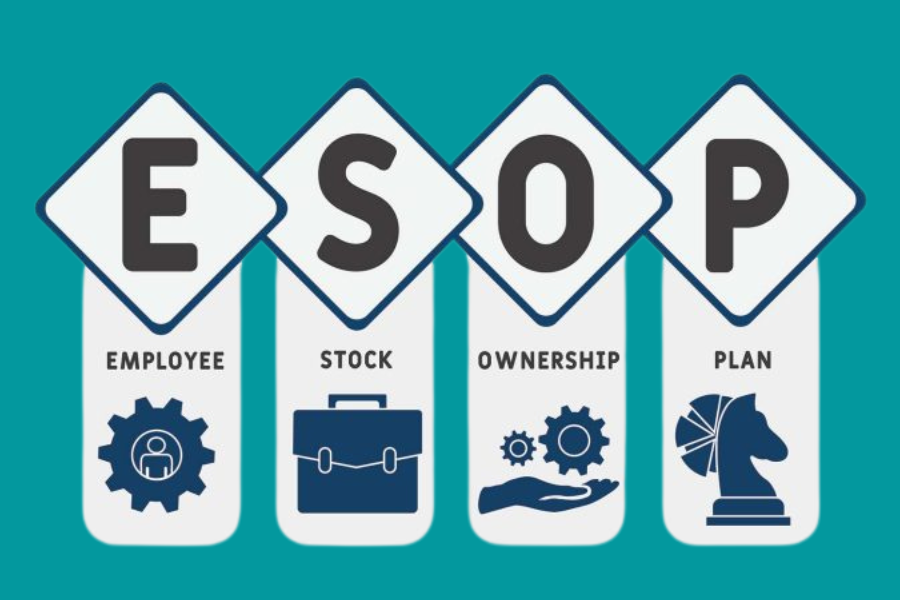
Employee Stock Ownership Plan: What, How, and Why?

Studds Unlisted Shares: 6 Reasons to Buy Now

LAVA’s Unlisted Shares Soar Under Atmanirbhar Push
NSE vs BSE: Detailed 101 Market Share Comparison

The Role Of Corporate Governance And Management In Unlisted Companies
What's Temperature Ahead Of Tata Technologies' ₹4,000 Cr. IPO?

The Future Outlook For Unlisted Shares As An Investment Option

How to Buy and Sell Unlisted Shares in India?

The Benefits And Drawbacks Of Investing In Unlisted Shares