


Table of Contents
Buy/Sell Your Unlisted Shares
Submit the details below to share a quote.
On 1st Feb,2026, the share market went into shockwaves, crashing almost 2%, creating a negative sentiment in the market. But surprisingly, NSE Unlisted shares were not much affected.
In this blog, we analyse what exactly happened and the possible reasons behind the NSE unlisted shares.
What Exactly Happened?
On Feb 2, the Finance Minister Nirmala Sitharaman in her 9th budget said gave her 9th budget speech, “I propose to raise the STT on Futures to 0.05 % from the present 0.02%. STT on options premium and exercise of options are both proposed to be raised to 0.15 %from the present rate of 0.1% and 0.125 %, respectively.”
After her announcement, the Indian stock market showed significantly decline. The Sensex fell sharply by around 1.9%, dropping nearly 1,547 points to close at 80,722.94. Meanwhile, the Nifty 50 also declined by almost 2%, sliding over 495 points to settle at 24,825.45.
So basically, the increased securities transaction tax (STT) on futures and options trading makes derivatives more expensive for traders.
This move immediately hurt traders, brokers and listed exchange stocks, as higher costs can reduce short-term trading activity. That’s why shares of MCX, BSE and brokerage firms saw sharp falls.
However, STT is a transaction tax, not a direct cost or revenue line item for NSE. NSE collects fees, not STT.
But quietly, away from daily market noise, something interesting happened.
NSE’s unlisted share price barely reacted, stayed largely stable, raising an obvious question:
Effect on NSE and BSE Share Prices
In the days immediately after the Budget 2026 announcement, listed exchange stocks reacted sharply to the increase in securities transaction tax (STT).
Shares of BSE saw a sudden fall during the Budget week. The stock slipped from Rs.2775.80 to Rs 2553.60. However, this fall was shortly impacted. Over the next few days, BSE shares recovered strongly and were trading near Rs.2,852, showing that the market had started adjusting to the new tax structure rather than continuing to sell.
Whereas in the pre IPO market, NSE unlisted shares saw only a small correction after the Budget announcement. Prices quickly stabilised in the Rs. 1,950–2,050 range, and the current price is around Rs. 2,074. This muted reaction suggests that unlisted investors are looking at the bigger picture.
Why didn’t the Budget shock hit NSE unlisted shares the same way it hit listed stocks?
Unlike listed market participants, they are typically long-term holders who focus on NSE’s strong business model, earnings visibility, diversified revenue streams and clarity around its upcoming IPO.
As a result, while BSE shares went through sharp ups and downs in the listed market, NSE’s unlisted share price remained largely steady, reflecting long-term confidence rather than short-term fear.
Possible Reason Why NSE Did Not Get Affected?
There are a few possible reasons:
IPO timeline clarity
Long-standing doubts around NSE’s listing have solved little. The market now expects an IPO by mid to end 2026.STT doesn’t hit NSE directly
It affects trading behaviour, not NSE’s core revenue model.Diversified income streams
NSE earns from data services, connectivity, indices, clearing and technology, not just F&O volumes.Known IPO structure
The IPO is expected to be largely an Offer for Sale (OFS), with a 5% stake dilution. There are no surprises here.Strong investor base
With nearly 1.9 lakh shareholders, NSE is India’s most widely held unlisted company, adding stability.
What does this stability mean for investors?
The steady movement in the NSE unlisted share price shows that investors are looking beyond short-term market noise. Despite the Budget 2026 announcement and the hike in securities transaction tax (STT), the lack of a sharp downside indicates continued confidence in NSE’s long-term business strength and IPO prospects.
This stability also shows that most unlisted investors are not reacting emotionally to policy changes. Instead, they are waiting for clearer signals such as quarterly results, final IPO timelines and valuation details.
In simple terms, the market appears to believe that the STT hike may impact trading behaviour in the short run, but it does not change NSE’s core fundamentals.
Overall, a stable price during a volatile market phase often reflects patience and conviction, rather than uncertainty.
You may also like to read
What Are The Different Classes Of Shares Issued In India?
Different Classes of Assets In The Financial Market

Follow These Simple Share Market Tips While Investing
Importance of Investing in Unlisted Shares

Step-by-step Process Of Transferring Unlisted Shares (Off-market)

Pre IPO Success Stories To Start Your Unlisted Share Trading

What Is The Expected Return Of Unlisted Shares?

A Detailed Guide On How To Buy Unlisted Shares In India
Know Your Tax Implications Before Investing In Unlisted Shares
Common Mistakes To Avoid While Investing In Unlisted Shares

How To Pick Best Performing Unlisted Stocks in India?
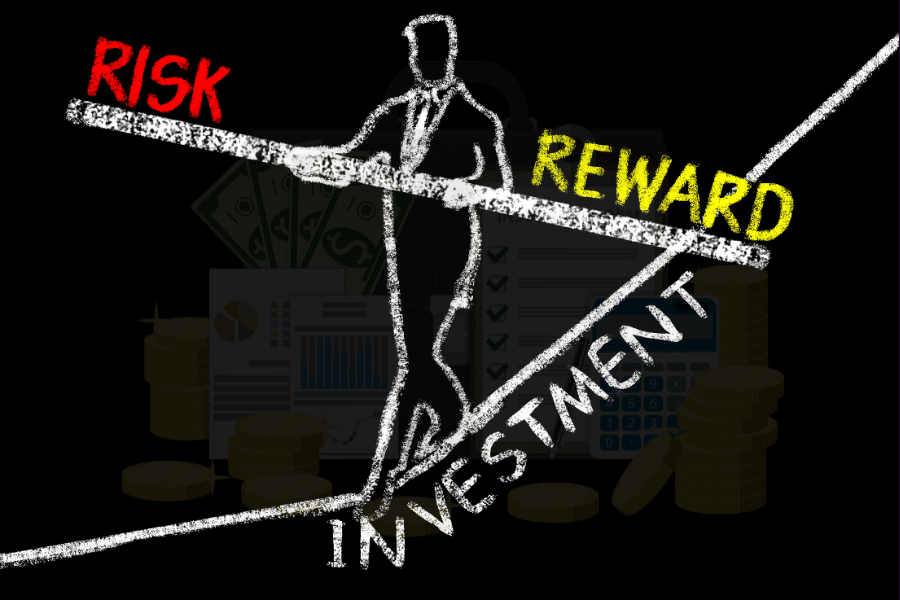
Risks And Rewards Associated With Unlisted Share Investment
Difference Between Start-Up Investing And Unlisted Shares?

IPO Process in India: Key Steps Explained Clearly

Revealed: The Real Picture of Unlisted Shares in Grey Market
Key Financial Ratios And How To Use Them To Analyse Your Investment

101 Guide For Beginners: What Is Pre IPO Share Market?

10 Golden Rules Of Investing In Stock Market
Listed Shares Vs. Unlisted Shares - Detailed Comparison

The Dark Side of Paytm's IPO Explained In Details

What Leads to Delisting of Shares and What Goes Behind The Scenes?

When Should You Review Your Portfolio Professionally?

In-Depth Analysis of Pre-IPO Shares for Portfolio Growth

PharmEasy Unlisted Price Falls 70%. Here's why
Delaying Pre-IPO Investments? Here’s What You Risk

An NRI’s Guide To Invest In Unlisted Shares In India
Guide To Filter The Most Profitable Unlisted Companies In India

A Comprehensive Guide On Follow-on Stocks

Care Health Insurance

Smart Strategy to Buy & Sell Unlisted Shares Professionally
Top Highly Profitable Unlisted Companies In India To Look For As An Investor

Upcoming IPOs In 2022-2023

Expert’s Driven Roadmap To Research A Startup IPO

Capgemini Unlisted Shares: Is The Risk Worth?

HDFC Sec vs HDB Financial: Which Is the Better Pick?

Detailed Guide To Calculate Capital Gains on Unlisted Shares

Dematerialisation of Unlisted Shares and Its Impact On Shareholders

How are B9 Beverages Pvt Ltd (Bira91) Unlisted Shares Gaining Pace Again?

Reliance Retail: The Success Story of India's Largest Retail Brand

The Future Of Unlisted Shares In the Fintech Market
Employee Stock Ownership Plan: What, How, and Why?

Studds Unlisted Shares: 6 Reasons to Buy Now

LAVA’s Unlisted Shares Soar Under Atmanirbhar Push
NSE vs BSE: Detailed 101 Market Share Comparison

The Role Of Corporate Governance And Management In Unlisted Companies

What's Temperature Ahead Of Tata Technologies' ₹4,000 Cr. IPO?

The Future Outlook For Unlisted Shares As An Investment Option

How to Buy and Sell Unlisted Shares in India?

The Benefits And Drawbacks Of Investing In Unlisted Shares