


Table of Contents
Buy/Sell Your Unlisted Shares
Submit the details below to share a quote.
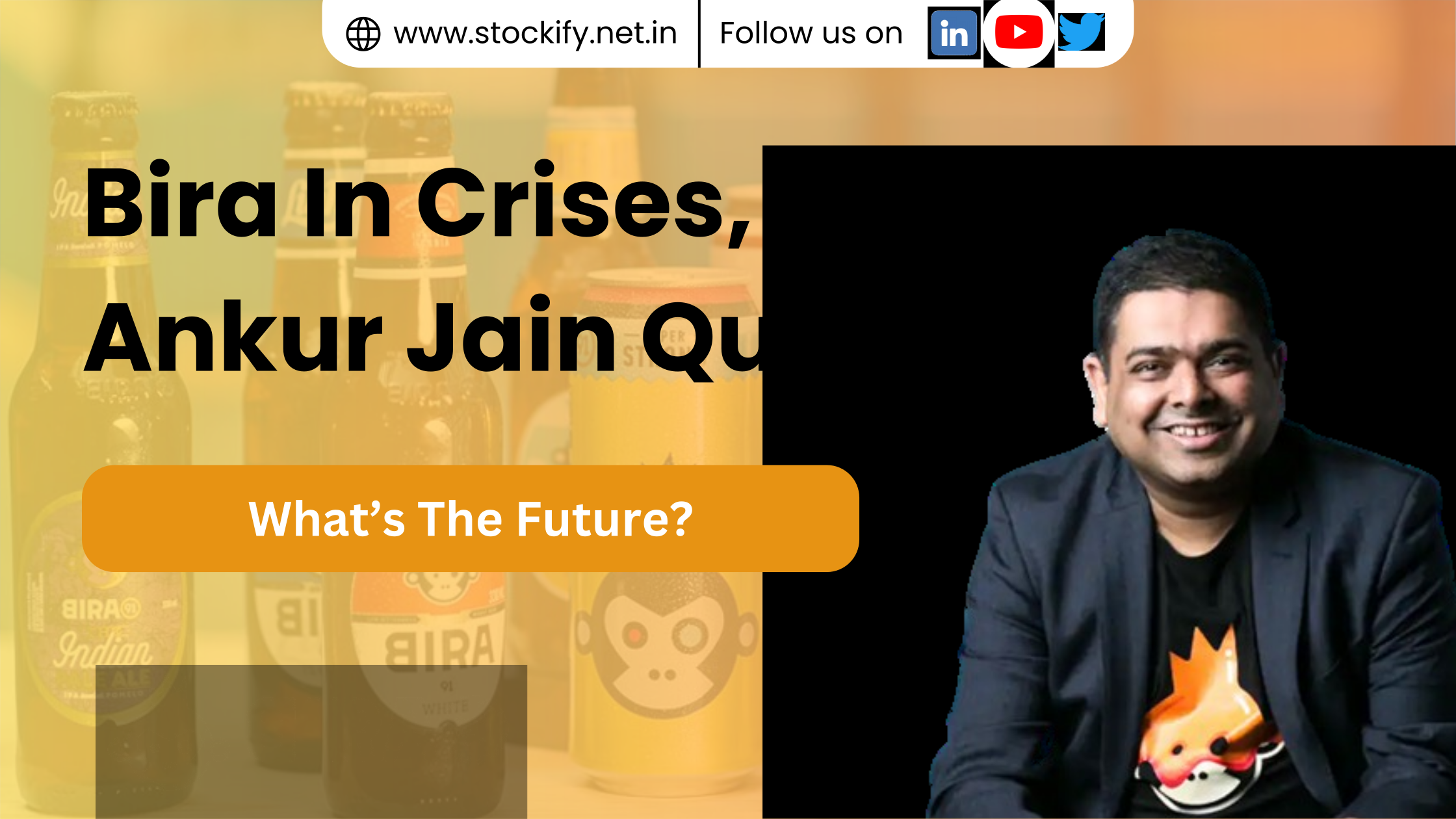
Bira 91’s long-running financial and governance crisis reached a critical point this week, with founder Ankur Jain agreeing in principle to step down from his role as chief executive. The decision, finalised around December 17, follows months of pressure from investors and lenders who have been unwilling to extend fresh capital without a change in leadership. For a brand once seen as the face of India’s premium beer boom, the move marks a decisive shift from founder-led expansion to a survival-driven reset.
The exit is part of a broader settlement framework. Jain is expected to give up management control in exchange for relief from personal financial liabilities linked to pledged shares and personal guarantees. Key shareholders, including Japan’s Kirin Holdings and Peak XV Partners, have made it clear that the company needs immediate funding to restart production ahead of the summer 2026 season, but that funding would only come under professional management. No successor has been named yet, and the board is expected to oversee the transition in the interim.
Mounting Losses and a Production Standstill
The scale of Bira 91’s financial collapse explains the urgency behind the leadership change.
A) In FY24, the company reported revenue of Rs. 638 crore, down 22 % from the previous year, while net losses widened sharply to Rs. 748 crore.
B) Sales volumes fell to about 6–7 million cases from 9 million earlier, and total debt climbed to around Rs. 1,000 crore. By the end of FY24, net worth had turned negative, with liabilities exceeding assets by an estimated Rs. 600 crore.
C) Operational stress intensified in mid-2025 when brewing operations were halted in July due to a lack of working capital.
The company was unable to pay suppliers or procure raw materials, leading to extended supply disruptions. Bira 91 products were absent from shelves during key sales periods, weakening distributor confidence and accelerating the loss of market presence.
Employee Revolt and Lender Action
The crisis also triggered internal and legal challenges. In October 2025, more than 250 employees petitioned the board seeking Jain’s removal, citing unpaid salaries stretching beyond six months, provident fund deductions not deposited, and delays in statutory payments. Over the past year, the workforce shrank from around 700 employees to about 260 as layoffs and resignations followed the company’s financial decline.
Lenders moved to protect their exposure. Jain had borrowed personal funds from the Sunil Munjal-backed Hero Enterprise Trust to increase his stake in the company. Following the default, the trust invoked the pledged shares, taking control of a portion of Jain’s holdings and weakening his negotiating position with investors.
Loss of Key Assets and a Shifting Market
A separate battle played out over The Beer Café, Bira 91’s retail arm. In November 2025, lenders Kirin Holdings and Anicut Capital invoked pledged shares of the entity operating the pub chain, effectively taking control. Jain challenged the move in the Delhi High Court, which issued an interim order restraining further sale of the shares. However, operational control remains with the lenders, depriving Bira 91 of a critical consumer-facing asset.
While Bira struggled to maintain operations, competitors gained ground. United Breweries retained its dominant position with more than half the market, while AB InBev and Carlsberg strengthened their presence in premium segments. Newer brands such as Simba and Lone Wolf filled shelf space in metro markets where Bira was once a clear leader.
The coming months will be decisive. Existing investors are expected to consider an emergency recapitalisation to restart production under new leadership. For now, Bira 91’s journey stands as a cautionary example of how rapid expansion, high leverage, and governance stress can affect even a widely recognised consumer brand.
You may also like to read
What Are The Different Classes Of Shares Issued In India?

Different Classes of Assets In The Financial Market

Follow These Simple Share Market Tips While Investing
Importance of Investing in Unlisted Shares

Step-by-step Process Of Transferring Unlisted Shares (Off-market)

Pre IPO Success Stories To Start Your Unlisted Share Trading

What Is The Expected Return Of Unlisted Shares?

A Detailed Guide On How To Buy Unlisted Shares In India
Know Your Tax Implications Before Investing In Unlisted Shares
Common Mistakes To Avoid While Investing In Unlisted Shares
How To Pick Best Performing Unlisted Stocks in India?
Risks And Rewards Associated With Unlisted Share Investment

Difference Between Start-Up Investing And Unlisted Shares?

IPO Process in India: Key Steps Explained Clearly

Revealed: The Real Picture of Unlisted Shares in Grey Market
Key Financial Ratios And How To Use Them To Analyse Your Investment

101 Guide For Beginners: What Is Pre IPO Share Market?
10 Golden Rules Of Investing In Stock Market

Listed Shares Vs. Unlisted Shares - Detailed Comparison
The Dark Side of Paytm's IPO Explained In Details

What Leads to Delisting of Shares and What Goes Behind The Scenes?

When Should You Review Your Portfolio Professionally?

In-Depth Analysis of Pre-IPO Shares for Portfolio Growth

PharmEasy Unlisted Price Falls 70%. Here's why
Delaying Pre-IPO Investments? Here’s What You Risk

An NRI’s Guide To Invest In Unlisted Shares In India
Guide To Filter The Most Profitable Unlisted Companies In India

A Comprehensive Guide On Follow-on Stocks

Care Health Insurance

Smart Strategy to Buy & Sell Unlisted Shares Professionally
Top Highly Profitable Unlisted Companies In India To Look For As An Investor

Upcoming IPOs In 2022-2023
Expert’s Driven Roadmap To Research A Startup IPO
Capgemini Unlisted Shares: Is The Risk Worth?

HDFC Sec vs HDB Financial: Which Is the Better Pick?

Detailed Guide To Calculate Capital Gains on Unlisted Shares

Dematerialisation of Unlisted Shares and Its Impact On Shareholders

How are B9 Beverages Pvt Ltd (Bira91) Unlisted Shares Gaining Pace Again?

Reliance Retail: The Success Story of India's Largest Retail Brand

The Future Of Unlisted Shares In the Fintech Market
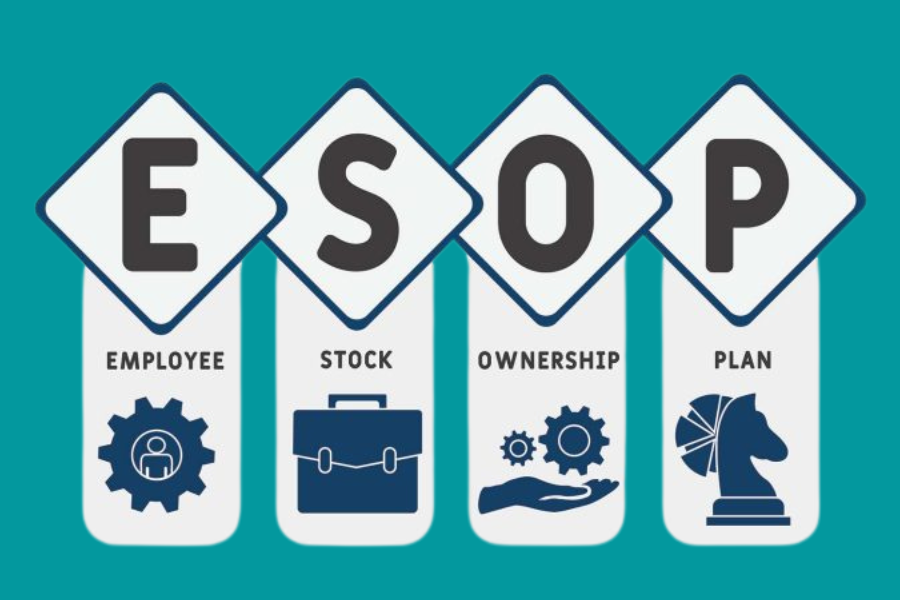
Employee Stock Ownership Plan: What, How, and Why?

Studds Unlisted Shares: 6 Reasons to Buy Now

LAVA’s Unlisted Shares Soar Under Atmanirbhar Push
NSE vs BSE: Detailed 101 Market Share Comparison

The Role Of Corporate Governance And Management In Unlisted Companies
What's Temperature Ahead Of Tata Technologies' ₹4,000 Cr. IPO?

The Future Outlook For Unlisted Shares As An Investment Option

How to Buy and Sell Unlisted Shares in India?
The Benefits And Drawbacks Of Investing In Unlisted Shares