
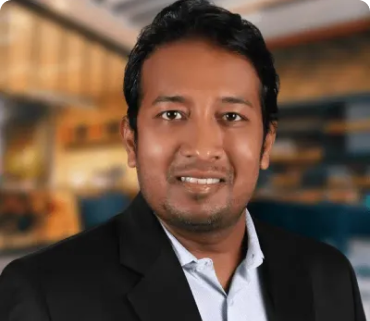

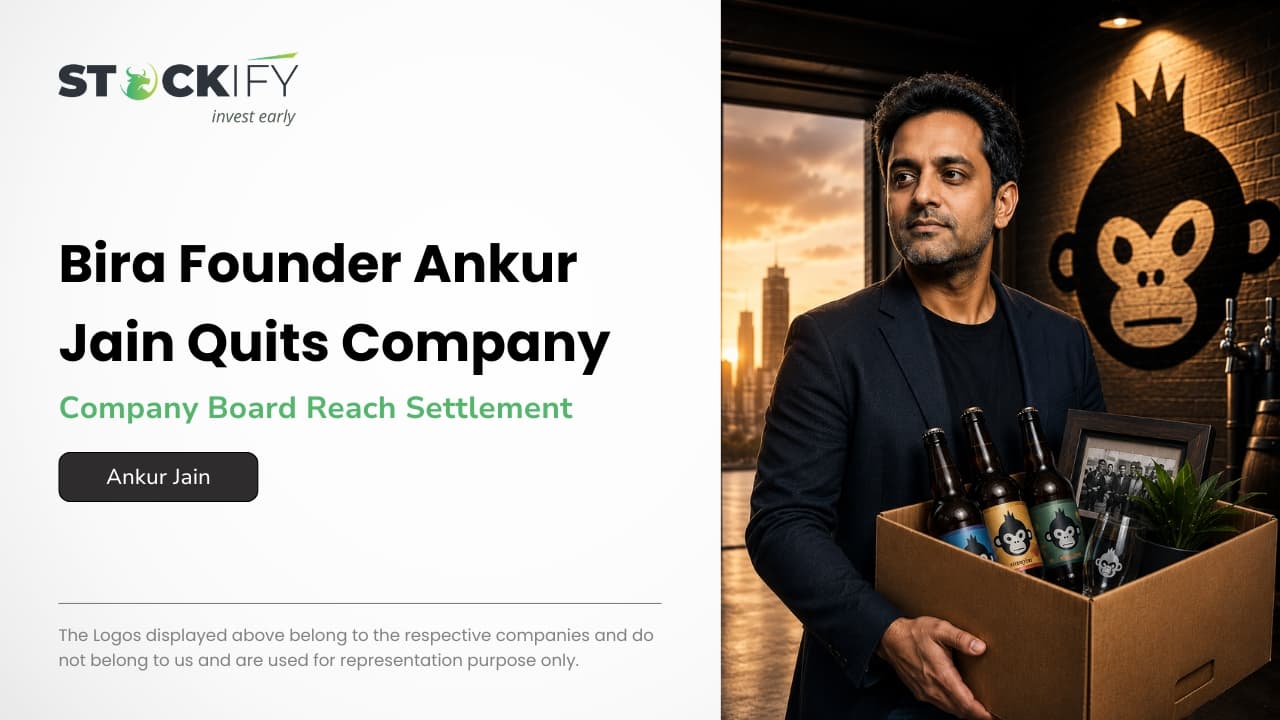
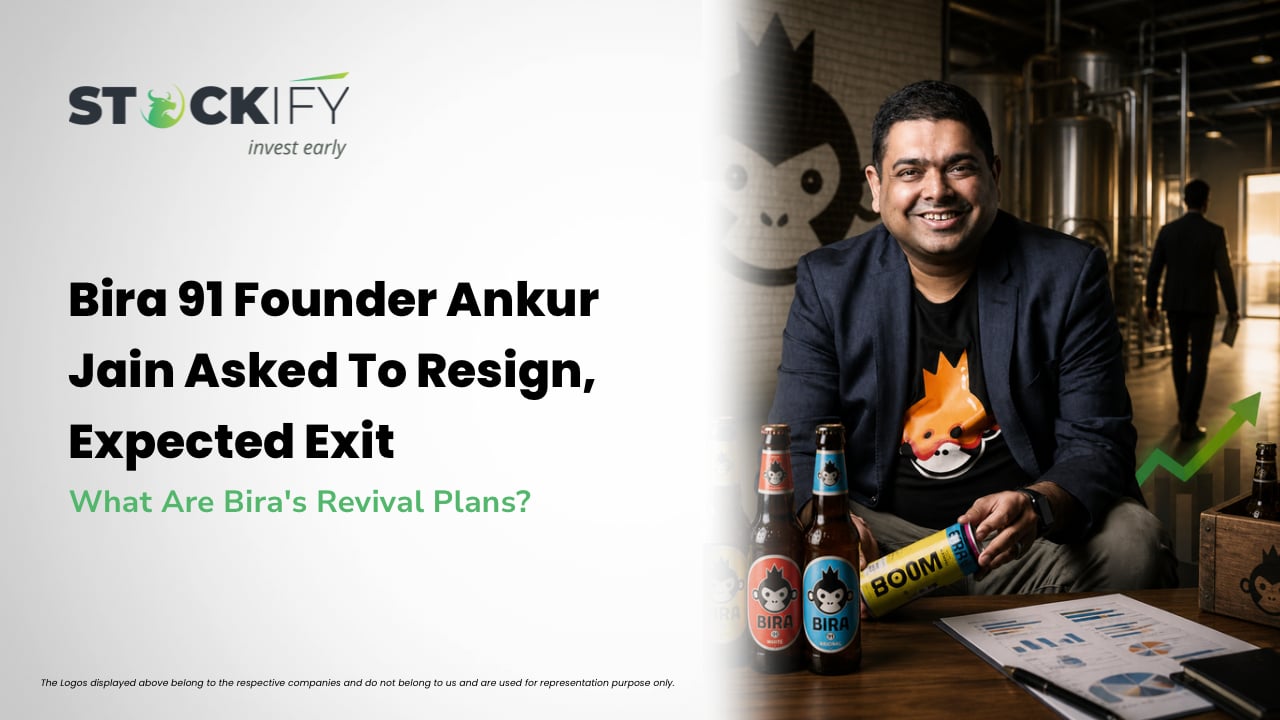
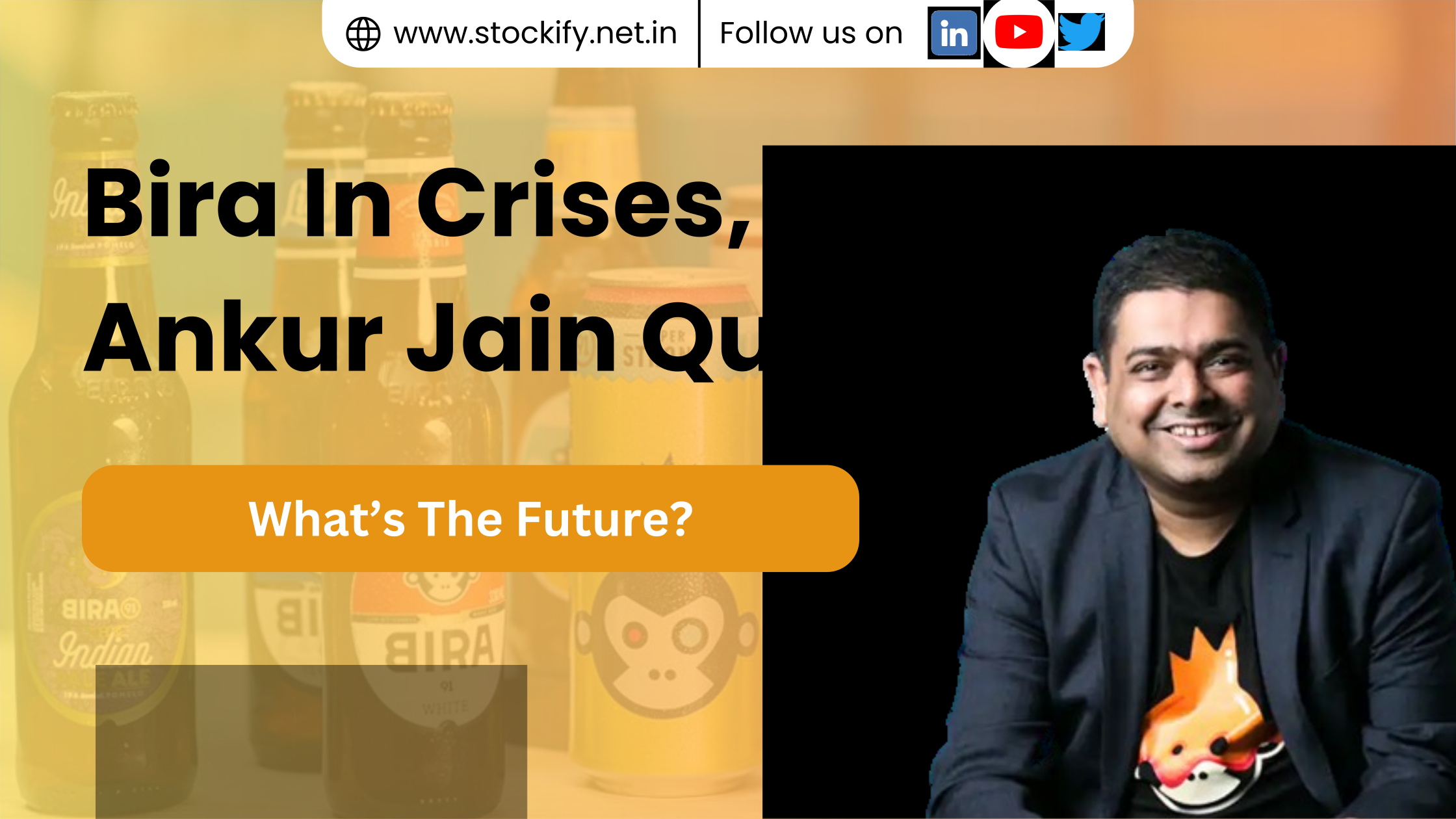
Can a founder walk away from the company he built and still give it the best chance of survival? That's exactly what has happened at B9 Beverages, the maker of Bira 91. After two years of disagreements with investors and lenders, founder Ankur Jain has exited the company's board as part of a settlement that hands over executive control and the promoter family's stake. The move closes one of the biggest governance disputes in India's startup ecosystem. But for investors, the bigger question is whether this marks the beginning of Bira 91's turnaround or simply the next stage of its restructuring. Here's everything you need to know.
What Happened?
As per the settlement, Ankur Jain has resigned from the Board of B9 Beverages. The agreement also requires the promoter family to:
Give up all executive powers in the company.
Transfer its 17.8% ownership stake in B9 Beverages.
Withdraw all legal proceedings against investors and lenders.
Step away from the company's management, allowing new leadership to take charge.
In return, Jain will be absolved of all personal liabilities related to the company, including guarantees he had provided for some of B9 Beverages' loans. According to Economictimes, after signing the settlement, Jain said, "I have stepped down from the B9 Beverages board. We ran into rough weather in the last two years. However, with this resolution, the business will enter a new phase of growth, a phase in which I will be cheering for the company and the brand from the sidelines." The settlement effectively ends a dispute that had weighed on the company's operations and fundraising efforts for nearly two years.
Why Was This Settlement Necessary?
B9 Beverages has been facing severe financial stress. According to people familiar with the matter:
Production has been suspended.
The company's debt has increased to around Rs 1,000 cr.
Employee salaries, statutory dues and vendor payments remain outstanding.
To stabilise the business, existing investors and lenders have agreed to work on a recapitalisation plan. The immediate priority is expected to be:
Clearing statutory dues.
Paying employee dues.
Settling vendor payments.
Restarting manufacturing and business operations.
The company aims to resume operations over the next 3-6 months, subject to the successful completion of the restructuring process.
Existing Investors Continue to Back the Company
Despite the financial challenges, B9 Beverages continues to have support from several well-known institutional investors. The company's investors include Peak XV Partners, Kirin Holdings (Japan). Among its lenders are Anicut Capital and Hero Corporate Services. Rather than exiting completely, these investors and lenders are expected to participate in the recapitalisation process to revive the business.
What Went Wrong for B9 Beverages?
B9 Beverages' troubles didn't stem from a single event. Instead, a series of decisions and operational challenges gradually put pressure on the business. According to the report, the company changed its corporate name while preparing for a proposed IPO, which meant obtaining fresh excise licences across multiple states. At the same time, the company continued to spend aggressively on marketing, sponsorships, employee costs and brewery expansion, even as demand fell short of expectations. The result was a sharp rise in debt, which is now estimated at around Rs.1,000 cr, forcing the company to suspend production. As part of the settlement, investors and lenders are now working on a recapitalisation plan, with operations expected to restart over the next 3-6 months.
A Strong Brand Looking for a Fresh Start
Despite its current challenges, Bira 91 remains one of India's most recognised premium beer brands. Over the past decade, the company built a strong presence in the craft beer segment and, according to founder Ankur Jain, generated nearly $100 million in revenue in FY23. Reflecting on the journey, Jain said. "Over the last 10 years, the B9 team built the first 'Imagined in India' brand in India's beer category. " Now, with the governance dispute resolved and a recapitalisation plan underway, the company's focus shifts to restarting operations, clearing dues and rebuilding the business.
What Does This Mean for Unlisted Share Investors?
The settlement removes a major uncertainty for B9 Beverages by ending the long-running governance dispute and paving the way for a fresh restructuring. With existing investors and lenders backing a recapitalisation plan, the company is targeting a restart of operations within the next 3-6 months.
However, the turnaround is far from complete. B9 Beverages still has around Rs 1,000 cr in debt, production remains suspended, and the company must clear employee, vendor and statutory dues before normal operations can resume. For unlisted share investors, the settlement is a positive development, but the company's recovery will ultimately depend on how successfully it executes its revival plan.
Conclusion
B9 Beverages has closed one of the most difficult chapters in its journey. With the founder stepping aside and investors taking the lead on restructuring, the company now has an opportunity to reset its business. For unlisted share investors, the settlement is an important first step. The next phase will depend on how successfully the company restarts operations, manages its debt and returns to sustainable growth.
Also Read: How Ankur Blew It with Bira?

1.jpg)