


Thyrocare and API Holdings CEO Rahul Guha has clarified that a PharmEasy reverse merger into listed Thyrocare will happen only after two key conditions are met: the group must be debt-free, and API Holdings (excluding Thyrocare) must turn pre-tax profitable. He expects these milestones by FY27 end, while PharmEasy itself could turn profitable in 3-4 quarters.
TL;DR
CEO Rahul Guha says PharmEasy reverse merger will happen only after API Holdings turns debt-free and pre-tax profitable (ex-Thyrocare) by FY27 end.
API Holdings’ Rs.1,050 crore debt is being repaid using Rs.822 crore from a 10% Thyrocare stake sale; debt-free status expected “within days”.
The company plans to scale specialty/genomic testing from 0% to 15-20% of revenue over 3-5 years, with some near-term margin pressure.
Govt’s proposed 20% cap on MRP landing cost spread is a risk for pharmacy distribution, but Guha says PharmEasy already operates within that band.
No Near-Term PharmEasy Reverse Merger, Says CEO
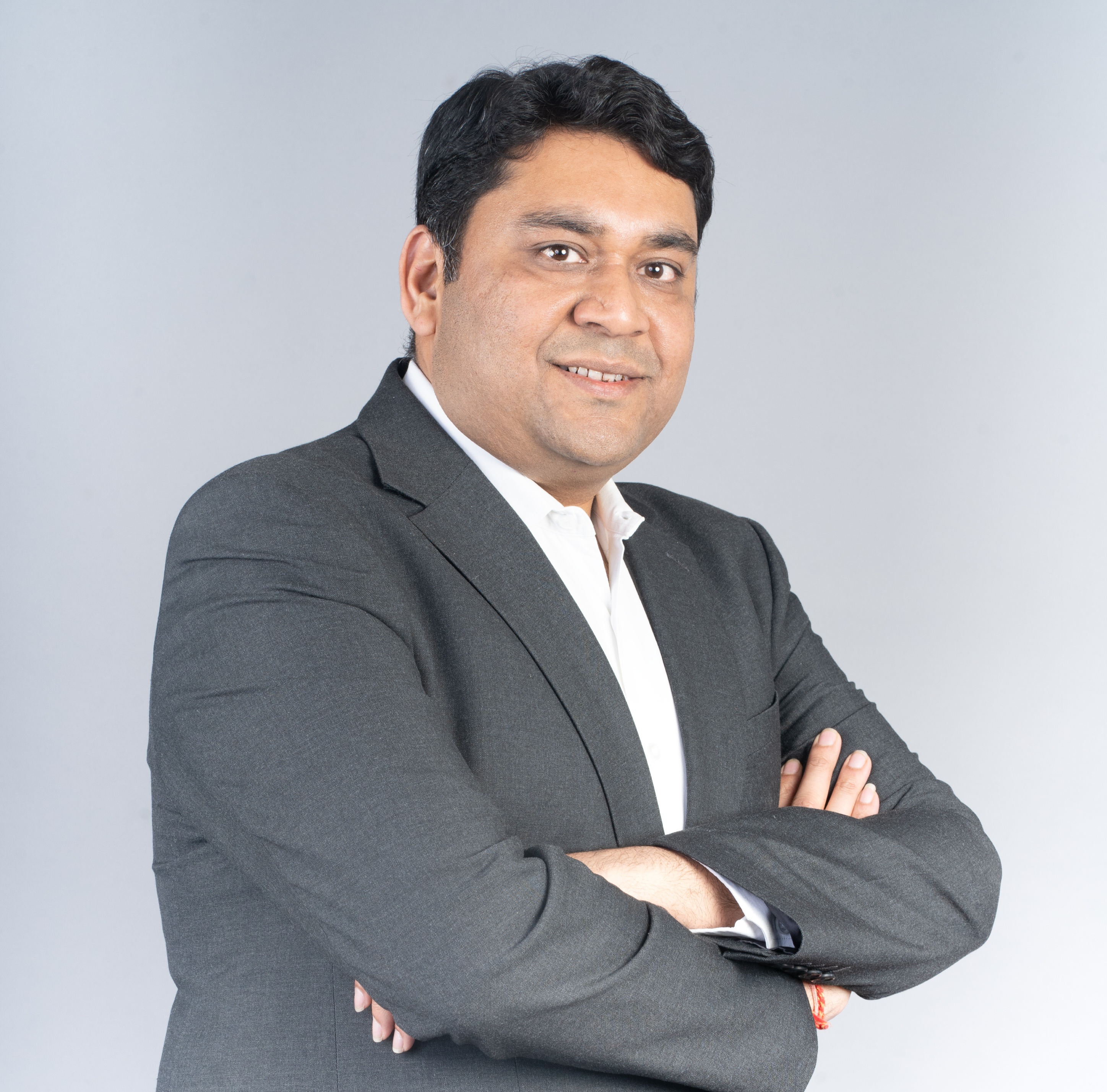
In a CNBC TV18 interview, Rahul Guha ruled out any immediate reverse merger of online pharmacy PharmEasy into Thyrocare Technologies, the listed diagnostics arm of API Holdings.
His comments came after a block deal in Thyrocare shares on August 12, where 1.3 crore shares worth about Rs.822 crore changed hands. Guha confirmed that API Holdings offloaded a 10% stake in Thyrocare to clean up the group’s balance sheet.cnbctv18
Two Conditions Before Any PharmEasy Reverse Merger
Guha laid out a clear roadmap for when a PharmEasy reverse merger could be considered:
API Holdings must be debt-free
The group currently carries around Rs.1,050 crore of debt.
Proceeds from the Thyrocare stake sale (nearly Rs.822 crore) are meant to repay this.
Guha expects the company to turn debt-free “within days” once the money is received.
API Holdings (ex-Thyrocare) must turn pre-tax profitable
This refers to the rest of the group, including PharmEasy and distribution businesses, excluding Thyrocare’s profits.
Target timeline:It should be completed by FY27 end (2026-27).
Only after both conditions are met will API Holdings evaluate options such as:
An independent listing for PharmEasy, or
A reverse merger into Thyrocare.
Guha also estimated that PharmEasy could turn profitable in the next 3-4 quarters, marking a key inflection in its turnaround.
Source: CNBC TV18
Block Deal Details and Promoter Stake
Parameter | Details |
Shares sold | 1.3 crore Thyrocare shares |
Stake sold | 10% of Thyrocare |
Deal value | Approx. Rs.822 crore |
Current group debt | Approx. Rs.1,050 crore |
Promoter holding post | Will not go below 51% in Thyrocare |
Thyrocare: Growth Engine Behind the Turnaround
Diagnostics remains the core profit driver for API Holdings and underpins the broader turnaround plan that includes the eventual PharmEasy reverse merger discussion.
Consistent High Growth
8 consecutive quarters of 20%+ YoY growth
Q1 FY27 (Apr-Jun 2026): 26% YoY growth, ahead of the company’s own “high-teens to 20%” guidance.
Guha said he may revisit growth guidance after Q2 results.
Margin Guidance
Steady-state EBITDA margin target: 32-33%
Historically, Thyrocare has seen peaks of 35-40%, but Guha stressed a preference for growth over chasing peak margins.
Specialty & Genomic Testing Push
Currently contributes almost 0% of Thyrocare’s revenue.
Peer companies derive 15-20% from this segment.
Thyrocare aims to close this gap over 3-5 years.
Some near-term margin impact is possible as this segment scales, but steady-state margins of 32-33% are still expected.
Segment | Current Revenue Share | Target (3-5 years) | Margin Impact |
Routine diagnostics | Dominant | Core business | Supports 32-33% margins |
Specialty & genomic tests | ~0% | 15-20% (peer-like) | Near-term pressure, long-term value |
Why the 20% MRP-Landing Cost Cap Matters for PharmEasy
A key policy risk for API Holdings’ pharmacy and online business is a government proposal to cap the spread between Landing cost (what the company pays) and Maximum Retail Price (MRP) at 20% for drugs and medical devices.
How online pharmacies make money
Online pharmacies and distributors typically buy drugs from manufacturers or wholesalers at a “landing cost” and sell them closer to the Maximum Retail Price (MRP).
The difference between MRP and landing cost is their gross margin, which covers operating expenses, discounts, delivery, and technology costs.
For high-volume, low-ticket businesses like e-pharmacy, even small changes in this spread can significantly impact profitability.cnbctv18
What the 20% cap proposes
The government’s proposal seeks to limit the gap between landing cost and MRP to 20% for drugs and medical devices. In practice, this means if a medicine’s landing cost is Rs. 80, the MRP could not exceed roughly Rs. 100 under a strict 20% spread rule. Such a cap is intended to make medicines more affordable for patients by preventing large mark-ups in the distribution chain.cnbctv18
How it could compress margins
If e-pharmacies or distributors were previously operating with spreads wider than 20%, the cap would force them to either lower MRP or accept lower per-unit margins.
Since many players already offer deep discounts off MRP to gain market share, their effective realised spread may be thin.
Any regulatory cap that further narrows this room can pressure EBITDA margins, especially for businesses that rely on volume-driven, low-margin models.
Why Guha says impact may be limited for PharmEasy
Rahul Guha notes that API Holdings does not manufacture drugs, so manufacturing-side restrictions do not directly apply. On the distribution side, he says PharmEasy already offers significant discounts to MRP and operates as a distributor within the proposed 20% band.
If true, this suggests PharmEasy’s current pricing and procurement model may already be aligned with the proposed cap, reducing the risk of a major margin shock compared to peers with wider historical spreads.
Final rules and implementation will be important to watch for their impact on e-pharmacy profitability.
What to Watch Next
For investors tracking the PharmEasy reverse merger story and API Holdings’ turnaround, key checkpoints include:
Debt repayment: Confirmation that API Holdings is fully debt-free post block deal proceeds.
FY27 profitability (ex-Thyrocare): Whether API Holdings meets its pre-tax profit target by FY27 end.
PharmEasy’s path to profit: Quarterly updates showing progress toward profitability in 3-4 quarters.
Thyrocare’s Q2 growth: Whether 26% Q1 growth is sustained and if guidance is revised.Drug pricing policy: Final structure of the MRP-landing cost cap and its effect on online pharmacy economics.
Source: cnbctv18
FAQs
Will there be a PharmEasy reverse merger soon?
No. CEO Rahul Guha says a PharmEasy reverse merger will happen only after API Holdings is debt-free and pre-tax profitable (ex-Thyrocare), targeted by FY27 end.
When can PharmEasy turn profitable?
Guha expects PharmEasy to become profitable in the next 3-4 quarters.
Why was the Thyrocare block deal done?
To make API Holdings debt-free. About Rs.822 crore was raised by selling a 10% stake in Thyrocare; the group had ~Rs.1,050 crore debt.
What is Thyrocare’s margin guidance?
Thyrocare targets 32-33% steady-state EBITDA margins, even as it expands into specialty and genomic testing.
How could the drug pricing cap affect PharmEasy?
A proposed 20% cap on MRP-landing cost spread could affect pharmacy distribution margins, but Guha says PharmEasy already operates within that band as a distributor.
1.jpg)