

TL;DR
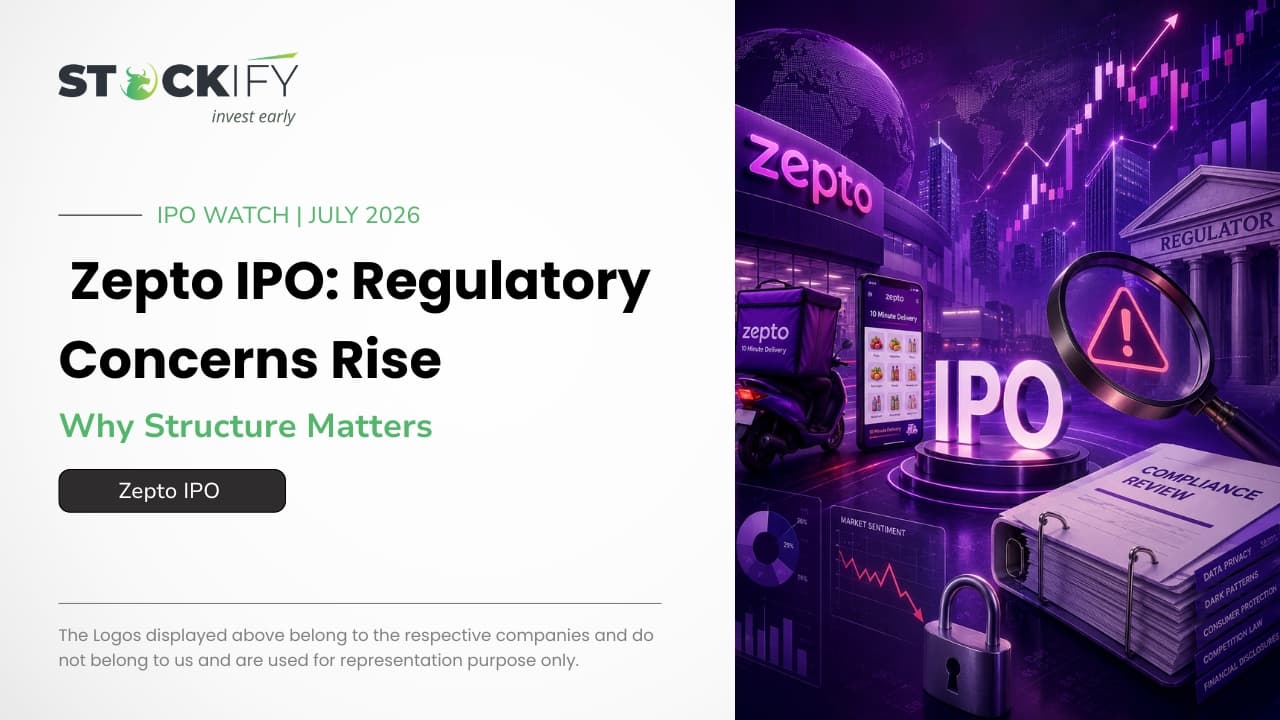
Zepto’s IPO is being closely watched because its operating structure combines wholesale and marketplace elements, which may invite regulatory questions. The concern is less about growth and more about whether the company’s structure is aligned with Indian compliance expectations before listing.
Introduction
Zepto’s upcoming IPO is drawing attention not just because of its growth, but because of the way the company is structured. The IPO is of ₹11,000 crore is divided into two parts: ₹8,010 crore and Offer for Sale for 11.35 crore equity shares. According to the ET report, Zepto’s legal and operating model is unusual for India’s quick commerce sector, and that could become a regulatory issue as it moves closer to the public markets.
Zepto appears to combine wholesale with marketplace setup, which makes its revenue recognition quite complex. For IPO investors, that kind of structure can matter because regulators, analysts, and institutions often look closely at whether a company’s operating model is clean, compliant, and easy to understand.
Zepto Financial FY 26
Metric | FY26 | FY25 |
Revenue from operations | ₹22,623.6 crore | ₹11,109.9 crore |
Net loss / PAT | ₹5,905.0 crore loss | ₹4,695.4 crore loss |
EBITDA margin | -23.18% | N/A |
Orders processed | 64 crore | N/A |
Dark stores | 1,139 | 1,029 |
Average daily orders | 17 lakh+ | N/A |
Advertising revenue | ₹1,636 crore | ₹651 crore |
What Makes Zepto Different?
Zepto is not following a simple one-model quick commerce playbook. The ET report says it records gross revenues from product sales, commissions, logistics, advertising, and other fees. This makes the business more layered than peers that follow one format.
This matters because the more complicated the structure, the more likely regulators and investors are to ask how transactions are routed, whether the operating setup fits the rules, and how revenue is booked. In an IPO process, often ambiguity leads to compliance concerns, so better be clear.
Zepto Vs Peers
Company | Operating Model | Why It Matters |
Zepto | Mix of wholesale operations and marketplace structure | May face questions on compliance, revenue recognition, and structure clarity |
Blinkit | Inventory-led model | Easier to understand from a regulatory and operating perspective |
Swiggy Instamart | Marketplace structure | More straightforward classification compared with a hybrid setup |
Zepto IPO Risks: Why Regulators Care?
Regulatory concerns often arise when a company’s structure does not fit neatly into a standard category. In this case, the combination of wholesale and marketplace operations may lead to questions about whether the business is operating in a way that is fully consistent with Indian rules governing e-commerce and quick commerce.
For a company that is preparing to list, this can affect investor confidence. Institutional investors especially tend to prefer businesses with simple, transparent structures because they reduce execution and compliance risk.
Zepto IPO Angle and Investor View
Zepto’s IPO is one of the most closely watched new-age listings, so any structural issue will get amplified.
Often investors focus on three things:
how the company explains its operating model,
whether the structure faces any regulatory pushback, and
whether the current setup could affect margins or disclosures.
The concern does not mean that the trouble is automatic, but it means that the market will demand clearer answers before assigning a premium valuation.
Also Read: Zepto's Business Model Detailed Analysis
Risk Factors Table
Risk Area | What Investors May Watch |
Regulatory classification | Whether the wholesale-marketplace mix fully complies with Indian norms |
Revenue clarity | How gross revenue, commissions, logistics, and advertising income are reported |
IPO sentiment | Whether uncertainty affects pricing or demand for the issue |
Structural complexity | Whether the model is easy for investors and regulators to evaluate |
What This Means for the Market?
Zepto’s case could become a reference point for other quick commerce companies thinking about scale, compliance, and listing readiness. If regulators scrutinise its structure closely, peers may also face pressure to present simpler and cleaner operating frameworks before their own IPOs.
And, for the broader market, the facts reinforced are that structure matters and so is fast growth.
Conclusion
Zepro’s IPO story is no longer just about funding, growth and market share. The bigger issue with Zepto is whether the wholesale-marketplace structure will satisfy regulatory expectations. If the company can address the concerns clearly, it can strengthen its IPO case.
FAQs
Why is Zepto’s structure under scrutiny?
It is because the company combined its wholesale and market place operations. This complicates the structure and raises regulatory concerns.
How is Zepto Different from Blinkit and Instamart?
The three are different because Binkit follows an inventory-led model, Swiggy uses marketplace structure, and Zepto combines wholesale operations with marketplace set up.
Does it indicate that the Zepto IPO will be delayed?
The report does not raise a concern about this, but the structure is coming as a regulatory, leaving one with a question mark.
Why does operating structure matter in an IPO?
It is because the investors and regulators always want transparency, compliance clarity, and easy-to-understand revenue recognition before company lists.