

TL;DR
NCDEX is set to relaunch pepper futures contracts by end-June 2026 after a gap of over a decade. All SEBI approvals are in place. The move aims to bring price discovery back to India, which currently depends on Vietnam.
Introduction
India grows one of the largest quantities of black pepper in the world, yet it has little to say in global pricing. Vietnam, which accounts for a fraction of global production, currently sets the price benchmark for pepper worldwide. This is the market distortion that NCDEX now aims to correct.
After remaining inactive for over a decade due to quality disputes and legal entanglements, pepper futures trading is set to make a comeback on NCDEX by the end of June 2026. With regulatory approvals secured, warehousing infrastructure finalised, and a supportive new SEBI policy framework on the horizon, the stage is set for one of India’s most anticipated agri-commodity relaunches.
What are Pepper Futures?
Pepper futures are standardised derivative contracts that allow buyers and sellers to lock in the price of the black pepper for future delivery date.
Traded on regulated commodity exchanges, they serve multiple purposes that include:
Price Discovery by establishing fair market prices based on real supply-demand dynamics.
Hedging in which traders, exporters, and farmers can lock in prices to protect against volatility.
Speculation for market participants to take positions based on price expectations.
Market Transparency for regulated trading. It will ensure better quality and delivery standards.
A Brief History: Why Were Pepper Futures Suspended?
Pepper futures were among NCDEX’s most actively traded contracts in the early 2010s. However, the contract ran into serious trouble when FSSAI (Food Safety and Standards Authority of India) seized over 6000-8000 tonnes of pepper from NCDEX warehouses in Kerala. It was done on charges of mineral oil contamination.
This triggered a cascade of events:
Suspension of future contracts.
Several legal disputes over delivery and quality.
Loss of market confidence among spice traders and exporters.
Fast forward to 2026, NCDEX MD and CEO Arun Raste confirmed that all but one of the court cases linked to the earlier contracts have now been resolved.
Key Details of the Upcoming Launch
Parameter | Details |
Expected Launch Date | End of June 2026 |
Regulatory Approval | Secured from SEBI |
Base Delivery Centre | Kerala (warehouse finalized) |
Settlement Type | Likely Cash-Settled (initially), then Physical |
Target Market | South India + pan-India spice traders |
Announced By | NCDEX MD & CEO Arun Raste |
Legal Clearances | All but one legacy case resolved |
Source: Metro India
Impact of NCDEX Pepper Futures Relaunch on NCDEX Unlisted Share Price
The relaunching pepper futures adds a new revenue stream via transaction fees and membership charges. The relaunch signals operational revival and growth intent. The new framework lowers the bar for a successful launch, reducing the chance of another contract failure.
Parameter | Data |
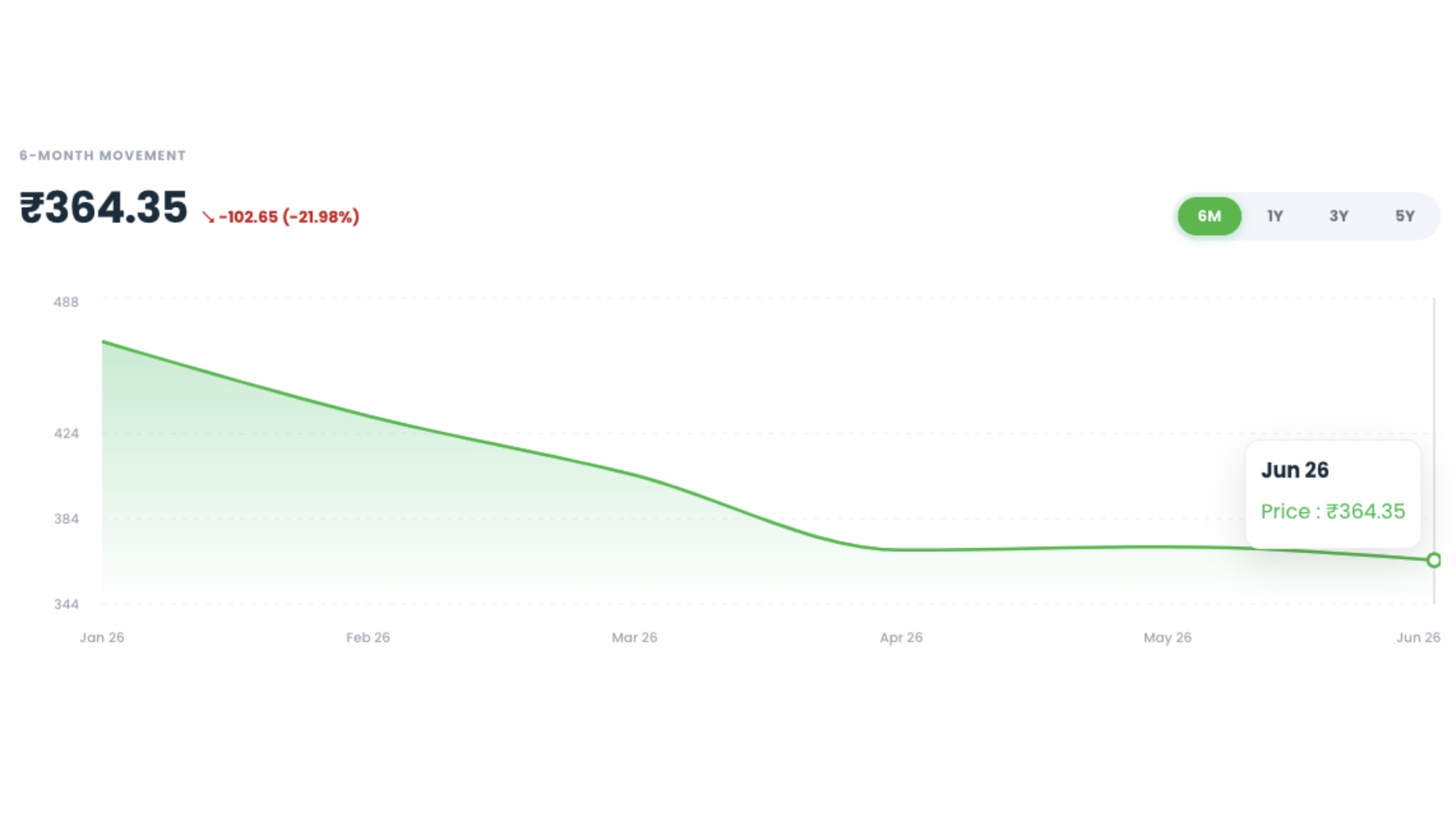
Current Price (June 10, 2026) | ₹340–₹372 (buy/sell range) |
52-Week High | ₹550 |
52-Week Low | ₹273 |
Face Value | ₹10 |
EPS | -5.16 (loss-making currently) |
Market Cap | ~₹3,336 Cr |
NCDEX Share Price
Buy NCDEX unlisted Shares from here.
The SEBI Cash Settlement Framework: A Game Changer
One of the most significant enabling factors behind the relaunch is SEBI’s proposed pilot framework for agricultural derivatives. The regulatory body introduced a consultation paper dated May 12, 2026.
Under this framework:
New Agricultural commodity derivatives can be launched as cash-settled contracts initially.
Once the contracts cross defined thresholds of average daily trading volume or open interest, it will be required to transition to physical settlement.
The transition must happen within a maximum of two years, whichever comes first.
This turned out to be a great deal for NCDEX because it removes one of the biggest barriers to launch new commodity contracts, the requirement to have full warehousing and physical delivery infrastructure in place from day one.
Raste welcomed the proposal, noting that “there are 107 commodities listed in SCRA but only 30 are actually traded”. The new framework opens the door for 70+ more commodities.
Why Does India Need Pepper Futures?
Despite being one of the world’s largest producers of black pepper, India had ceded pricing power to Vietnam. It is a country that accounts for just 1-1.5% of global pepper production but has emerged as the global price setting benchmark.
Aspect | India | Vietnam |
Production Share | ~90% of global production | ~1–1.5% of global production |
Price Setting Power | Currently minimal | Acts as global benchmark |
Futures Market | Relaunching (end-June 2026) | Active export-driven pricing |
Key Region | Kerala, Karnataka, Tamil Nadu | Dak Lak, Ho Chi Minh City |
Source: Informist Media
As MD Arun Raste put it, “India is sitting on 90% of production. We are just looking at Vietnam for the prices. We want that price setting back in India.”
Strategic Benefits of the Relaunch
For NCDEX
Strengthens its footprints in South India, where exchange had a relatively weak presence.
Opens the door to other southern spice commodities like cardamom.
Diversifies product portfolio beyond traditional agri commodities.
For Farmers and Traders
Better price discovery at the domestic level.
Hedging tools to protect income from price volatility.
Access to a regulated, transparent trading mechanism.
For India’s Spice Economy
Potential to reclaim global price leadership in pepper.
More organised market structure reducing quality disputes.
Great push to exports and international trade negotiations.
NCDEX’s Broader Expansion Plans
The pepper futures relaunch is just one piece of a larger growth strategy at NCDEX. Here’s a snapshot of what the exchange is building toward:
Initiative | Status/Timeline |
Pepper Futures Relaunch | End-June 2026 |
Steel Scrap Futures | In discussion with SEBI |
Mutual Fund Platform | ~1 month away (as of May 2026) |
Equity Trading Segment | ~6 months away (as of May 2026) |
Weather Derivatives (RAINMUMBAI) | Launched May 29, 2026 |
Sri Lanka Derivatives Exchange | Application filed with CSE |
What to Watch For NCDEX Pepper Futures
As we approach the end of June 2026, here are the key triggers and milestones to track:
Official SEBI Notification on the cash settlement pilot framework going live.
NCDEX circular announcing the contract specifications regarding lot size, margin requirements, and delivery terms.
Warehouse Certification in Kerala for quality assurance protocols.
Participation response from Kerala and Karnataka -based pepper traders and exporters.
Resolution of the last pending court case related to the earlier contracts.
Conclusion
The upcoming relaunch of NCDEX pepper futures is far more than a routine product launch, it is a strategic bid to reclaim India’s rightful place as the pricing authority for one of its most iconic spices.
NCDEX has never been at a better place until the SEBI’s approval came in place.
For commodity investors across the country, traders in Kochi, and for farmers in Kerala, this could herald a new era of price transparency, market depth and hedging opportunities.
The key will be stringent quality control, a smooth regulatory rollout, and active participation by the spice trade ecosystem.
FAQ
What is NCDEX?
NCDEX is the country's premier agricultural commodity derivative exchange. It is regulated by SEBI and enables options and future trading in a wide range of agri-commodities.
What was the reason for pepper futures suspension?
Pepper futures were suspended in the 2010s after the FSSAI seized thousands of tons of pepper from NCDEX warehouses in lieu of mineral oil contamination allegations. It led to multiple quality disputes.
When is NCDEX relaunching pepper futures?
The relaunch of pepper futures is expected by the end of June 2026.
Where will pepper futures be delivered?
Kerala has been finalised as the base delivery centre.