

.jpg.jpeg)
TL;DR
The NSE Nithin Kamath discussion gained attention after the exchange reported a net profit of Rs 10,371.1 cr in FY26.
NSE distributed Rs 8,663 cr as dividends, translating into an 84% payout ratio.
Regulatory restrictions limit how NSE can deploy its excess cash, resulting in higher dividend distributions.
Transaction fees and options trading contribute a major share of NSE's revenue.
These factors led Nithin Kamath to describe NSE as a "cash generation and distribution machine".
Introduction
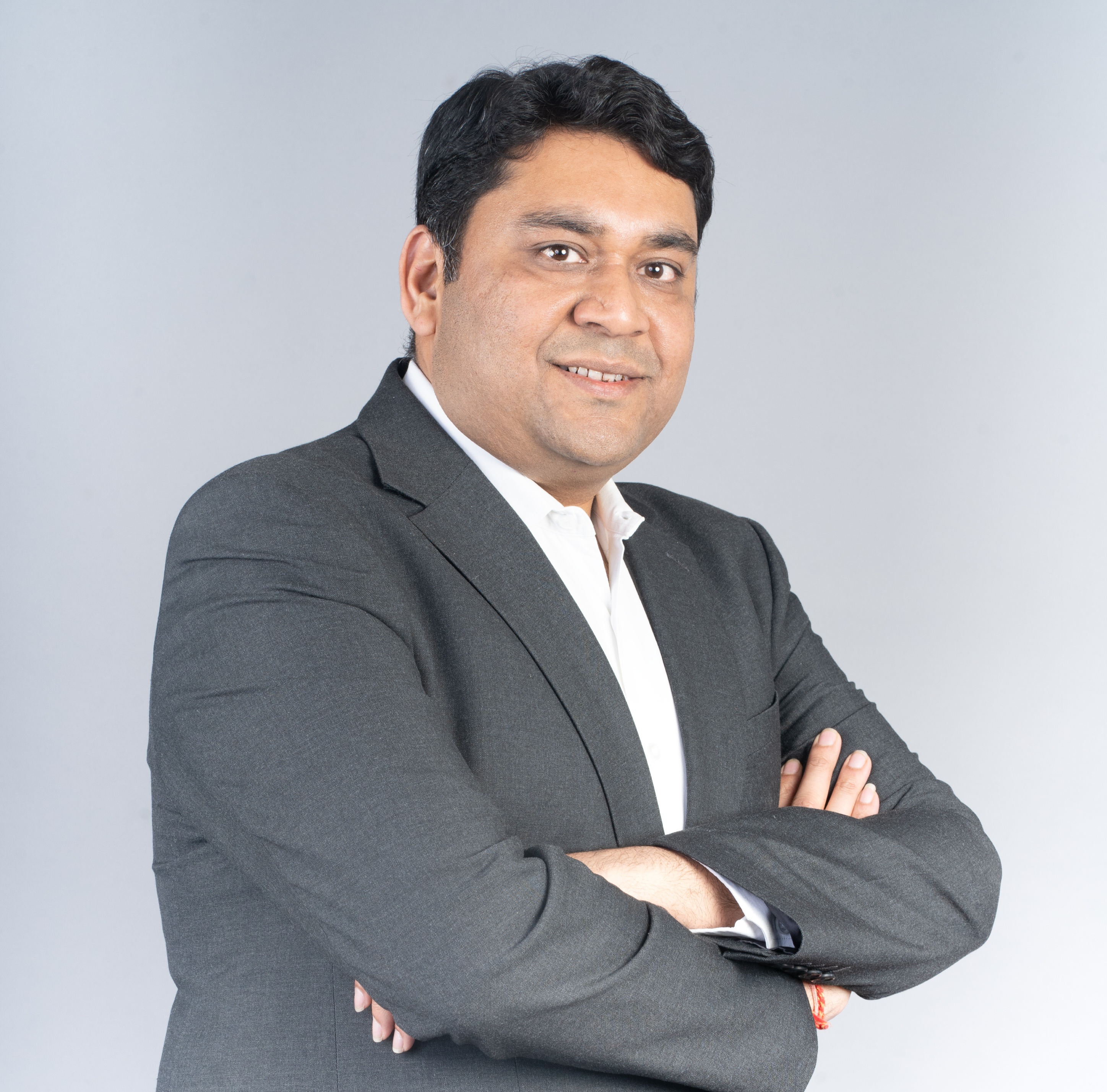
Ahead of the long-delayed NSE IPO, Zerodha founder Nithin Kamath described the exchange as a "cash generation and distribution machine". The comment came after NSE reported over Rs.10,371.1 cr in profit and distributed Rs.8,660 cr as dividends in FY26. But what exactly makes NSE such a powerful cash-generating business? Let's understand.
10 Things To Know about NSE
1. NSE Crosses nearly 12 cr Unique Investors
India's investor base has more than tripled in 5 years. According to NSE data, the number of unique investors (based on PAN) increased from around 4 crore in early 2021 to 12.7 crore by January 2026. Trading activity on NSE is likely to increase. This could strengthen the NSE's revenue-generating ability over the long term.
2. NSE Returns Most of Its Profits to Shareholders
Particulars (in Rs Cr.) | FY26 |
Net Profit | 10,371.1 |
Dividend Paid | 8,663 |
Dividend Payout Ratio | 84% |
NSE distributed nearly 84% of its FY26 profits as dividends.
Many companies retain profits for expansion, acquisitions, or new projects. NSE, however, distributes a large portion of its earnings to shareholders, making it a strong cash-returning business.
Also Read: Nse Unlisted Share Dividend History: Last 5 Year Analysis
3. NSE Cannot Freely Invest Its Excess Cash
According to Kamath, stock exchanges operate under regulatory restrictions. NSE cannot freely deploy surplus capital into unrelated businesses because regulations limit such investments. As a result, excess profits are largely returned to shareholders through dividends. Therefore, this is one of the reasons Kamath calls it a "cash machine".
4. That Restriction Forces Higher Dividend Distribution
Since NSE has fewer avenues to deploy capital, excess cash often finds its way back to shareholders through dividends. This is one of the biggest reasons Kamath expects strong payouts even after the IPO.
5. NSE Operates a Highly Scalable Business Model
Once the technology infrastructure is built, additional trading volumes can be processed at relatively low cost.
It simply means, whether 10 lakh trades happen or 1 crore trades happen, costs could not rise proportionately. This might allow a large part of additional revenue to flow directly into profits.
6. NSE's Business Generates Cash Every Day
Most of NSE's income comes from transaction charges paid whenever investors trade on the exchange.
Revenue Driver | Contribution |
Transaction Charges | 79% of Revenue |
Total Revenue Equity Options | Rs.10,000 Cr |
Share of Revenue from Options | 60% |
It could mean that every trade executed on NSE generates fees, as millions of transactions happen daily. It even small charges could add up to massive revenues.
7. NSE Enjoys a Dominant Position in Indian Capital Markets
NSE isn't just India's largest stock exchange. It is also the world's largest derivatives exchange by number of contracts traded. In India, it commands around 93% market share in the cash market and nearly 100% share in equity futures and currency derivatives. Hence, it could remain the dominant exchange across several market segments in India.
Also Read: NSE IX Entering 30 New Markets. What's Happening?
8. Kamath Says India's Tax Structure Favors Reinvestment Over Dividends
Nithin Kamath pointed out that company profits are taxed first at the corporate level and then again when shareholders receive dividends. Because of this, many companies could prefer to reinvest their earnings into growth rather than distribute them as dividends.
Example Mentioned by Kamath
Illustration | Amount |
Company Profit | Rs. 100 |
After Corporate Tax | Rs.75 |
After Dividend Tax (Highest Bracket) | Rs. 48 |
This is why businesses that continuously reinvest could often create more shareholder value over time
9. NSE Is a Rare Combination of Profit Generation and Cash Distribution
Kamath's core argument is that India has very few companies that generate large profits, require limited reinvestment, and consistently return most of their earnings to shareholders. NSE stands out because it does all three.
10. NSE Is Expanding Beyond Equities
The exchange is focusing on new opportunities such as commodities, electricity derivatives, and Electronic Gold Receipts (EGRs) to diversify future revenue streams.
Read More about, NSE EGR introduced on 18TH May.
Conclusion
Nithin Kamath's "cash machine" comment is not just about NSE's Rs 10,371.1 cr profit. It reflects a business that combines market leadership, recurring transaction-based income, limited capital requirements, and an 84% dividend payout ratio. As NSE prepares for its estimated Rs.30,000 cr IPO, these characteristics make it one of the most unique financial infrastructure companies in India
Also Read: NSE IPO DRHP Filed: Raising Rs 30,000 Cr